Shefali Tsabary research
To Bond With Your Kid, Tsabary Says to Stop Trying to Control Them
"It's only 10 percent what the child is doing and 90 percent what the parent is doing."
"It's only 10 percent what the child is doing and 90 percent what the parent is doing."
Time-outs are popular, but Gordon Neufeld asks what they cost a child's sense of closeness. Here is his reasoning, where experts differ, and a four-step time-in that keeps the limit and the connection.
Before the instruction, there is the connection. Gordon Neufeld's "collect before you direct" is a ten-second habit of eyes, a smile, and warmth that helps kids turn toward you and listen.

Following you everywhere, calling "watch me" all day: it can look like too much, but Gordon Neufeld sees an attachment instinct at work. Here is why closeness fuels independence, and how to feed it.
Children often feel safest when someone warmly takes the lead. Gordon Neufeld's idea of the caring alpha explains why, and offers three simple phrases that help your child rest in being looked after.
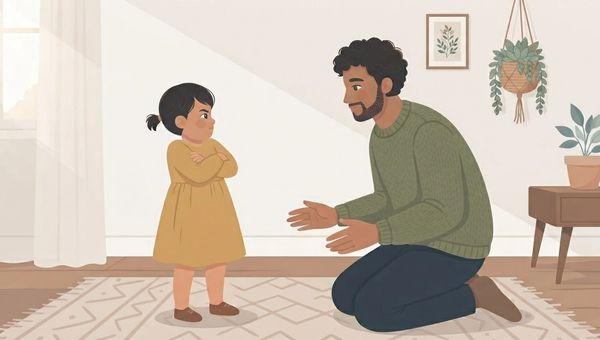
Your child says no to the very thing she wanted a second ago. Gordon Neufeld calls it counterwill, an automatic resistance to feeling forced, and four small shifts can ease the daily standoffs.

Children are wired to follow someone's lead. Gordon Neufeld's idea of peer orientation explains why that someone should still be you, and offers three simple ways to stay your child's first call.

"It's only 10 percent what the child is doing and 90 percent what the parent is doing."
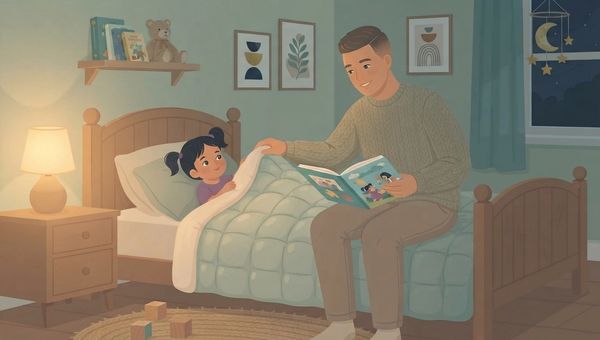
That moment at 8 p.m. when your kid finally tells you everything? It's not a coincidence. Here's why bedtime is your golden hour.
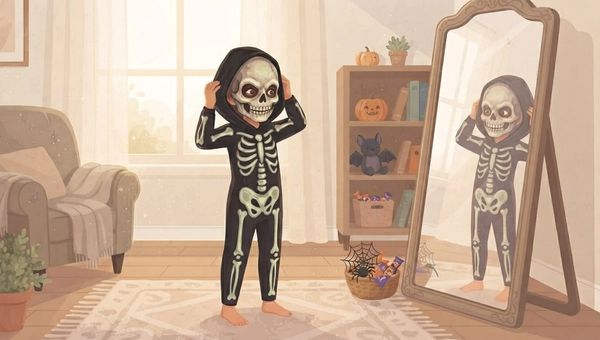
Your kid wants to be "a spider who is also a mailman." Here's why saying yes might be the smartest parenting move of October.

The park meltdown doesn't have to be a choice between caving and "stop crying." Dr. Becky Kennedy offers a third way.
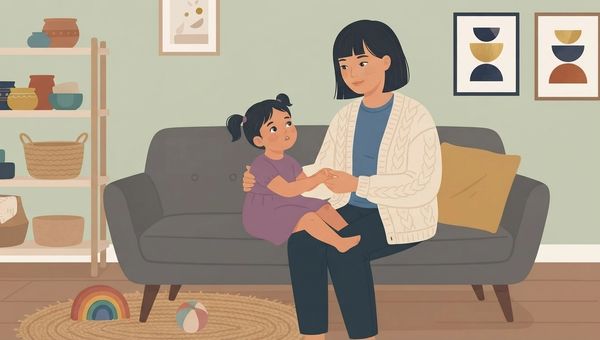
"He's doing it on purpose" is the easiest story to believe. Dr. Becky Kennedy offers a better one, and it's usually more accurate.
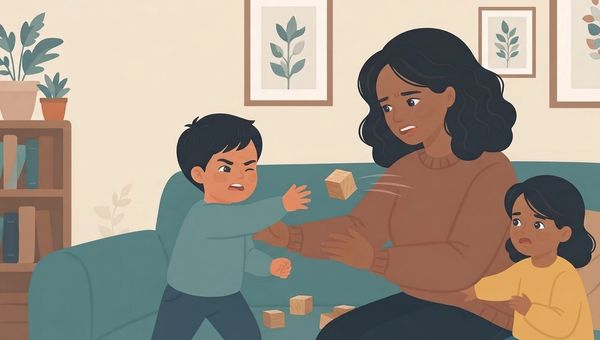
Your kid threw a block at his sister. Dr. Becky Kennedy says the story you tell yourself next matters more than you think.

our toddler's 6 p.m. meltdown might not be about the banana. Here's how much sleep little brains actually need.
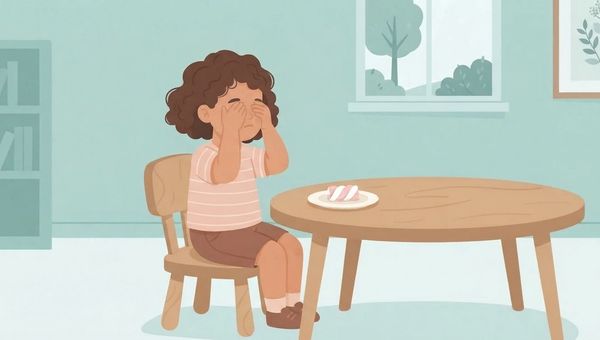
Your kid ate the marshmallow in 11 seconds. Here's what that really says, and how to teach waiting.
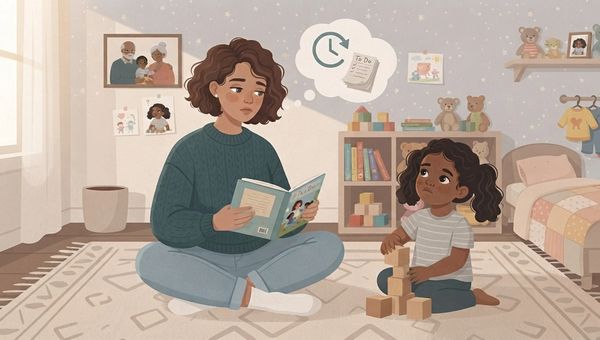
Your body can be fully in the room while the part that actually matters checked out ten minutes ago.

The wrong problem, according to Tsabary, is almost always the one parents start with.
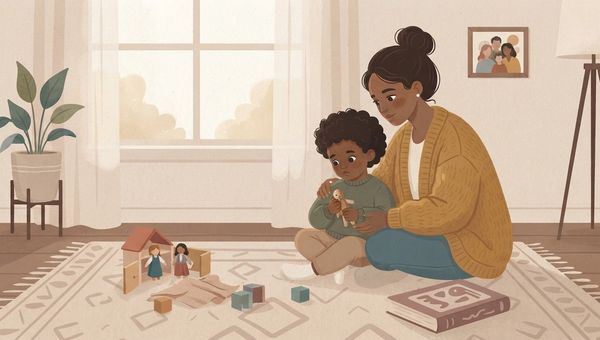
The same punishment, working less and less each time, might be a sign the whole approach was aimed at the wrong target.
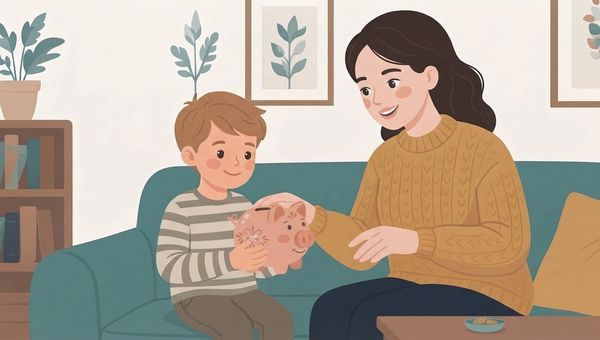
The system matters less than the consistency. Real research points to a surprisingly simple answer.

World peace is too abstract for a four-year-old. The crayon dispute happening right now isn't.

Kids don't automatically prefer make-believe. Given a real choice, most of them pick real life, consistently.
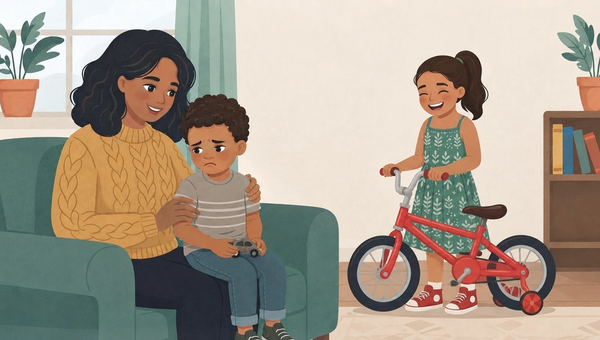
The same comparison hits differently depending on whether it's a sibling or a stranger, and that difference is measurable.
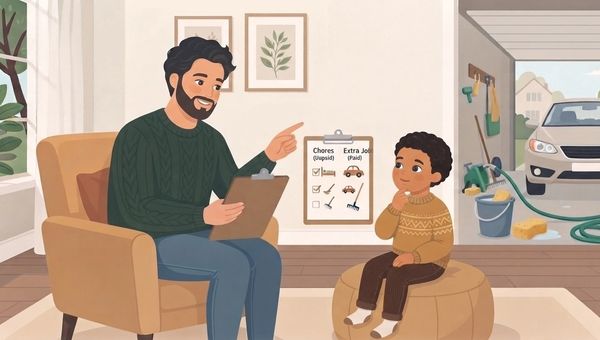
A kid asking to earn money isn't the same as a kid being bribed, and the research treats those two situations very differently.
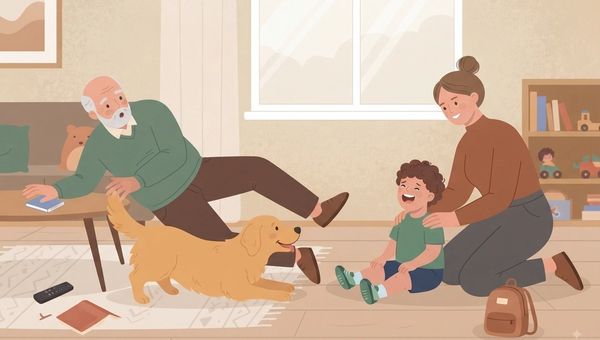
That laugh at Grandpa's near-fall isn't a lack of empathy. It's your kid's brain making a split-second safety call.

Personalization has real evidence behind it, but not quite in the simple, always-wins way it's usually marketed.

Your kid probably didn't understand what they were buying, and that's not an accident of game design.
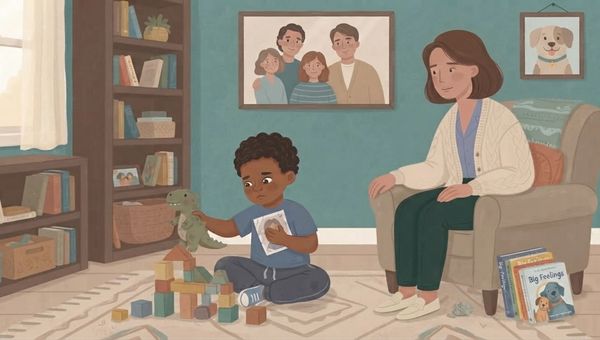
Two kids can go through the exact same hard moment and come out completely differently, and that gap is the whole point.
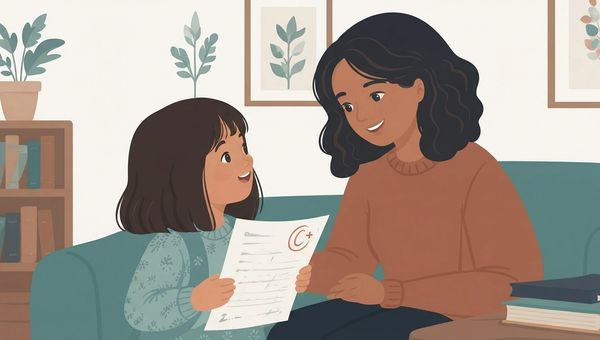
The exact words your kid uses after a bad grade might matter more than the grade itself.
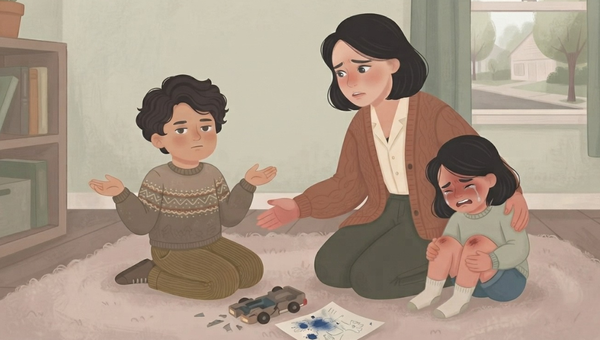
The word you're searching for at 2am probably isn't the right one, and the actual research is more hopeful than it feels right now.
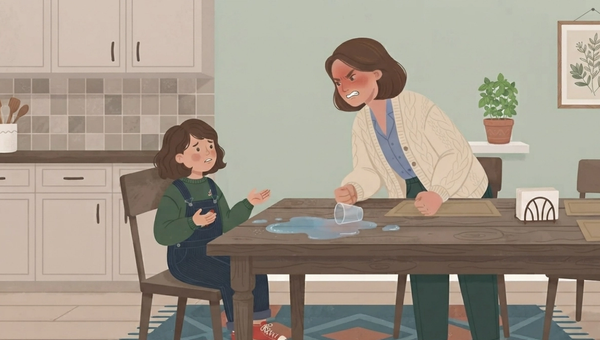
The fury over spilled water was never really about the water, and there are five specific ways it tends to show up.
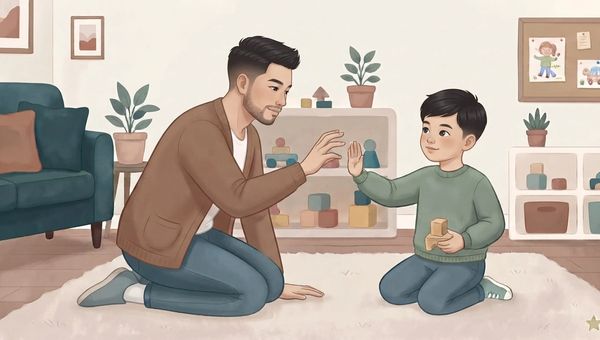
"Walk away" and "hit back" aren't the only two options. There's a third one research actually recommends.
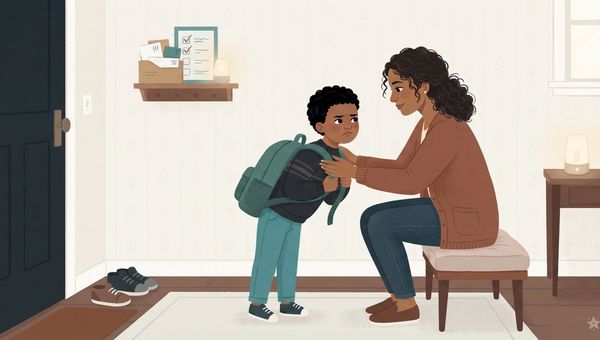
Trying to talk your kid out of hating school rarely works. Naming that they hate it right now often does.
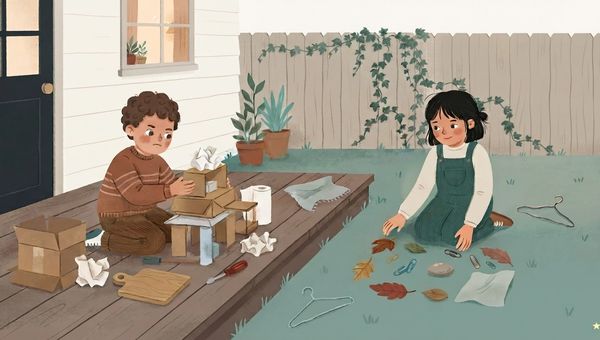
The clumsy, boring middle part of an unplanned afternoon isn't the problem. It's close to the entire point.

Reading the same dinosaur book for the 47th time? Good news: that "again!" is one of the smartest things your kid does.

The forgotten library book isn't just a morning headache. It might be exactly where the learning happens.
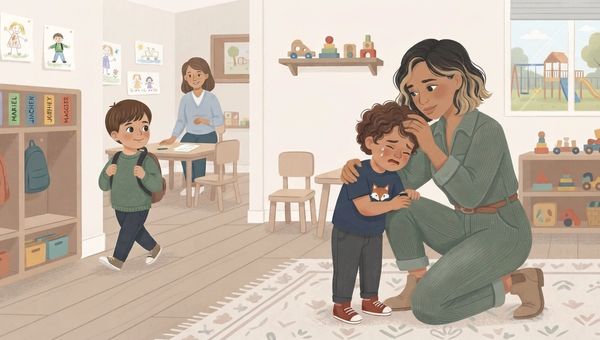
One twin cries every drop-off. The other walks right in. Here's what preschool temperament research says is actually going on.
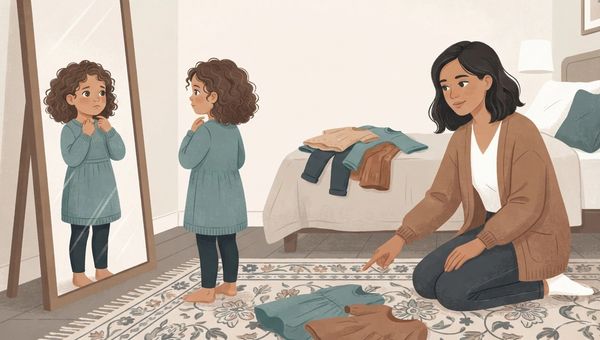
She looked in the mirror before the first day of school and said "I'm fat." Here's the response that helps, and the well-meaning one that doesn't.
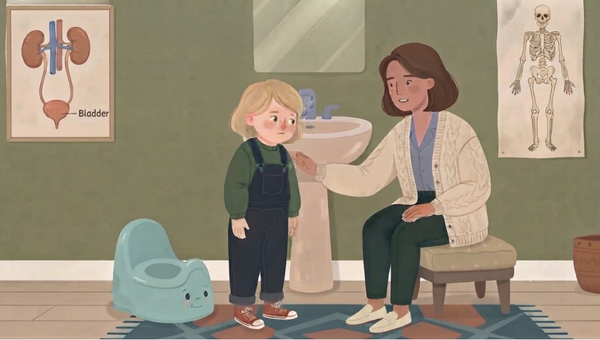
What looks like stubborn refusal is, in a large share of cases, a body that physically can't do what it's being asked to do yet.
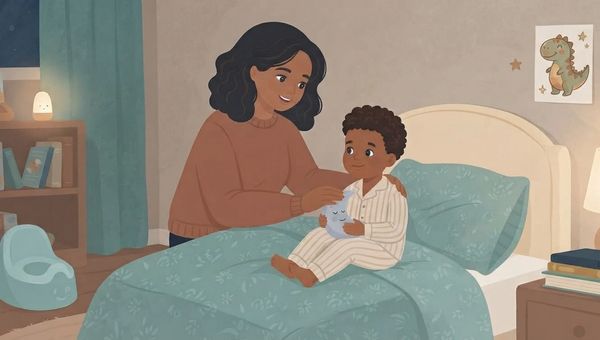
Dropping the nighttime diaper after three good nights feels exciting. Waiting for two solid weeks avoids an unnecessary setback.
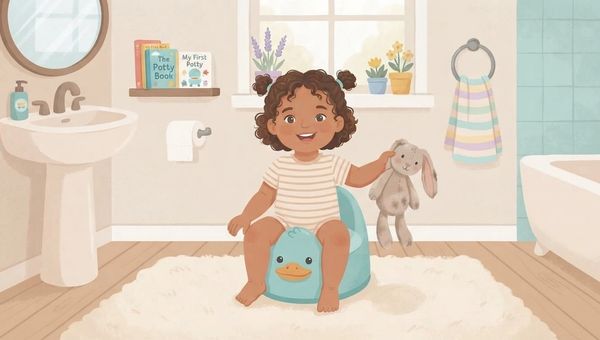
The research suggests the debate over cold turkey versus gradual matters less than most parents think, and timing matters more.
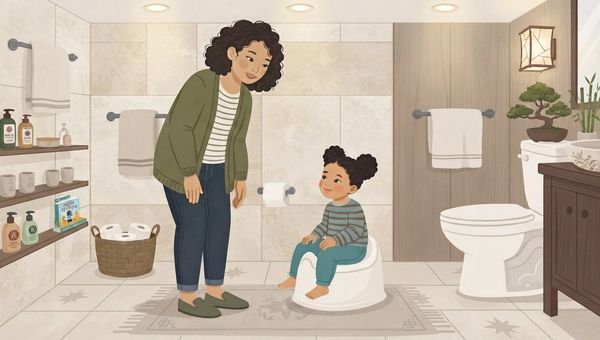
Noticing the signs is the easy part. Here's the actual sequence for what comes next.
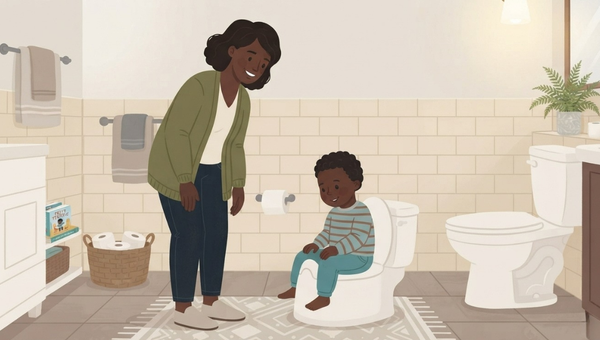
The calendar is one of the least reliable ways to know when to start. Here's what actually predicts readiness.

This approach treats the relationship as the foundation potty training is built on, not a separate thing to protect while training happens.
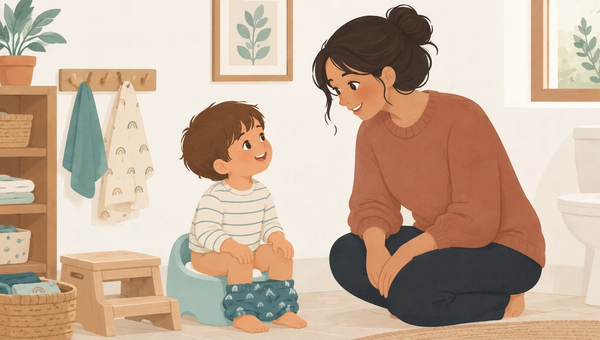
Montessori educators don't call it potty training. The word they use instead says a lot about the whole approach.
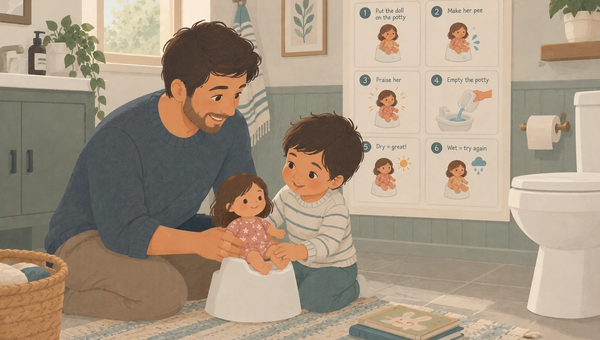
A doll that can "wet" itself is doing more work in this method than it looks like at first glance.
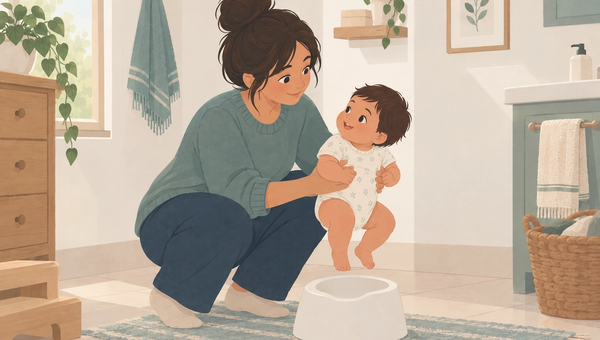
Some families start "potty training" before their baby can even sit up unsupported, and it's not as unusual globally as it sounds.
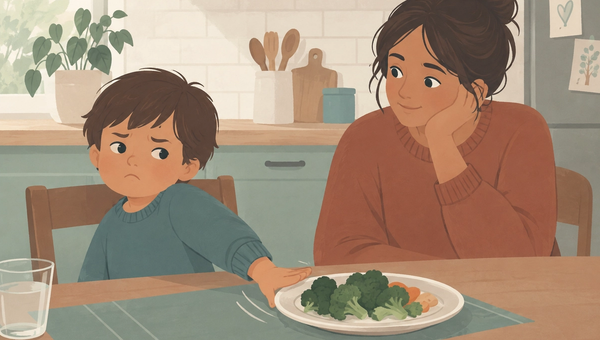
The food you crossed off the list after try number three might have needed twelve more chances.
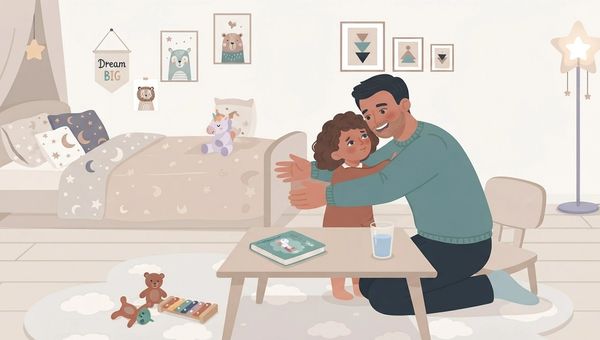
The bright smile and quick exit from a public meltdown might be managing the audience more than the actual moment.
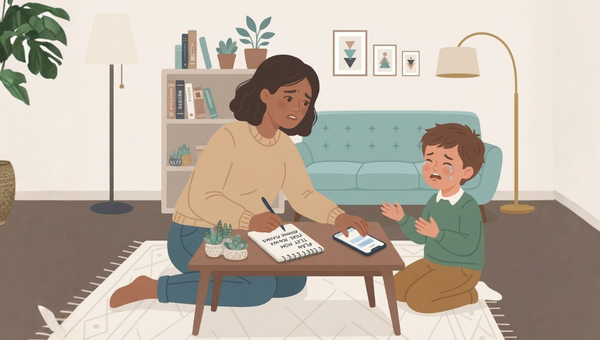
Solving your kid's problem before they've finished describing it might be quieting your anxiety more than helping them.Solving your kid's problem before they've finished describing it might be quieting your anxiety more than helping them.
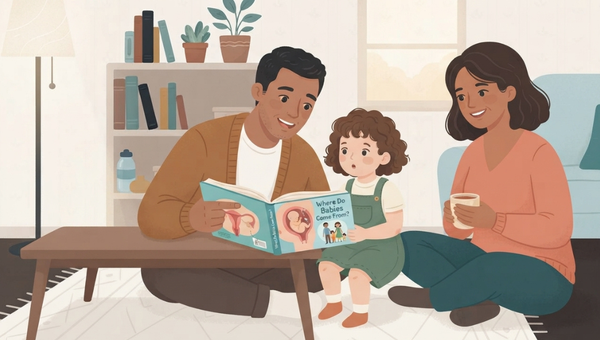
The bath time question every parent dreads eventually gets asked. Here's how to answer it without freezing up.
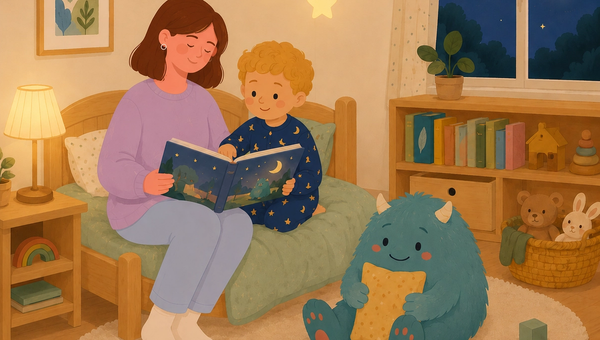
Sometimes 10 focused minutes matter more than an entire hour at the playground.
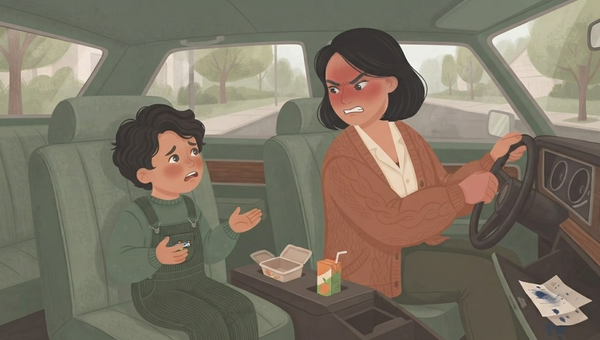
The size of your anger, not the size of what triggered it, is usually the real clue.
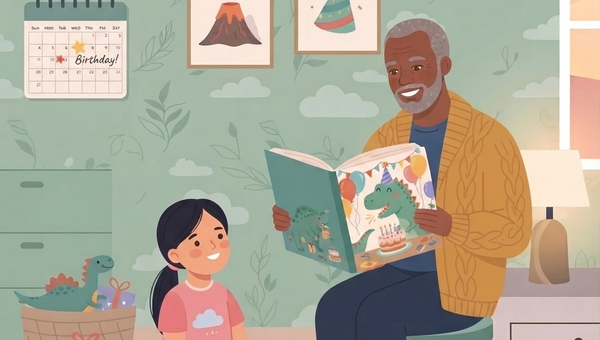
Timing matters just as much as the topic itself. Here's how to get it right.
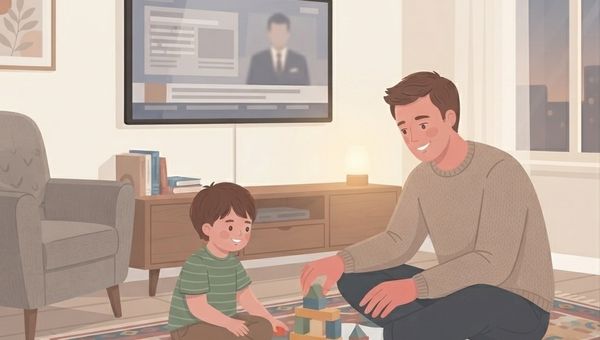
A TV nobody's watching still changes how much you talk to your toddler. Here's what researchers actually found.

"Nothing" after school, then a full replay at bedtime. Here's the real reason kids' memories work this way, and how to hear more, sooner.

The hug-or-not moment at the front door is one of the earliest real chances a kid gets to practice having their own boundaries respected.
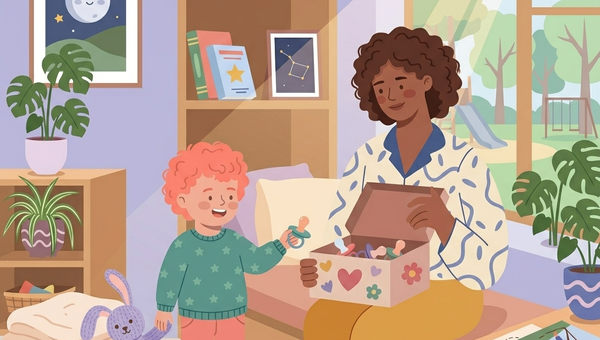
Giving up the pacifier doesn't have to be a battle. Learn what pediatric experts recommend, why gradual weaning works best, and how personalized stories can help children feel confident about this important milestone.

The meltdown the second they walk in the door isn't a bad sign. It might be the clearest sign of trust you're getting all day.
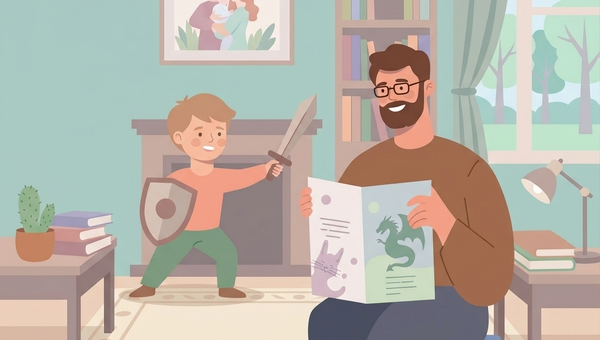
How stories build real self-confidence in children, Bandura's self-efficacy theory (1977) and why a story where the child is the hero works better than any other.
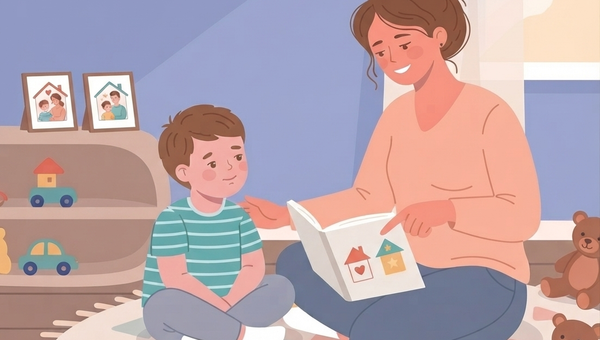
The conversation about divorce often goes wrong not because of what's said, but because of the gap between how adults and kids actually understand it.
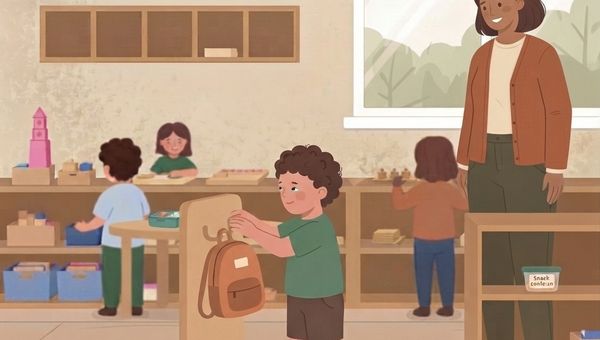
Some first-day anxiety has nothing to do with feelings and everything to do with an unfamiliar snack container.
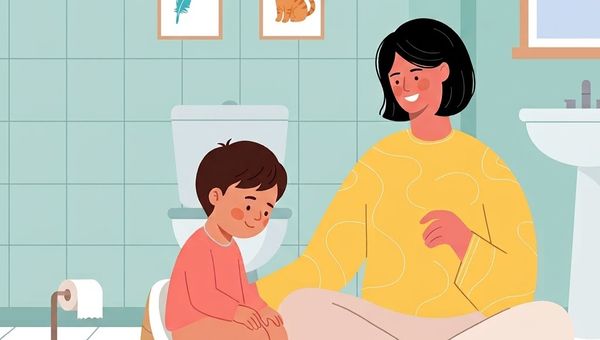
Potty training - what Dr. Brazelton's approach (Pediatrics, 1962) says about waiting for your child's readiness, and why pushing too early can backfire.
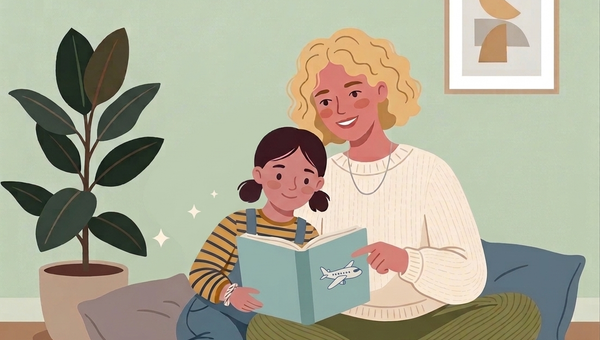
The meltdown at 30,000 feet usually traces back to something that could have been addressed on the ground.
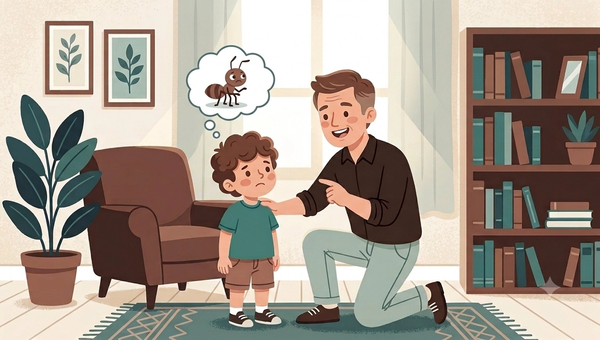
One missed shot becomes "I'm bad at everything," and there's a simple question that stops the spiral.

The stuck homework standoff might need less pushing and more jumping jacks.
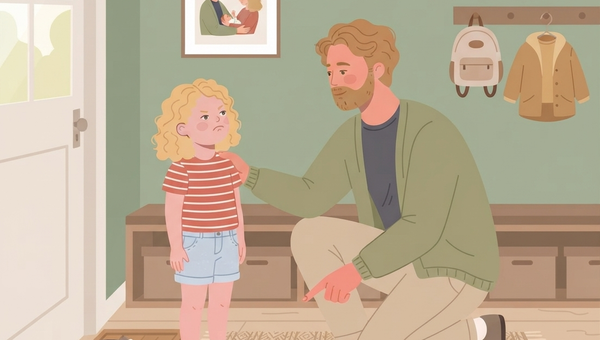
You don't actually have to choose between being the strict parent and being the warm one.

The kid who wants you to stay a little longer at bedtime isn't behind schedule. According to attachment research, that's exactly how independence gets built.
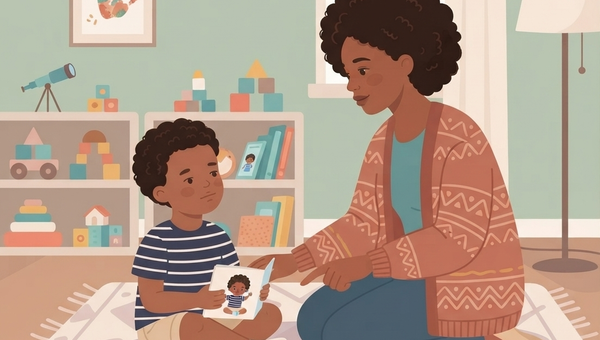
Sometimes the thing you want so badly for your kid was actually meant for you, a long time ago.
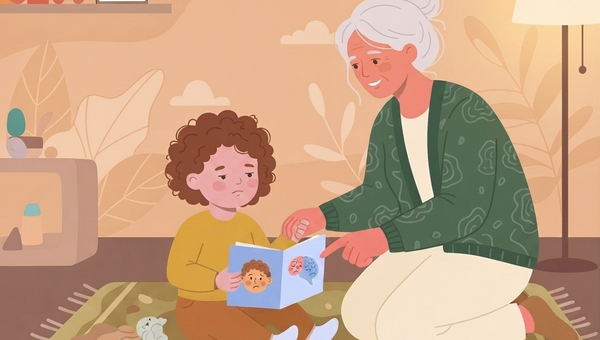
There's a one-sentence move that calms a meltdown better than reasoning, bribing, or a stern voice ever does.
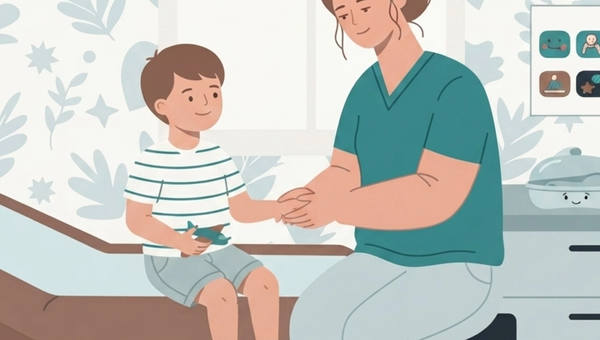
Nearly two-thirds of kids fear needles, and there's an actual tested four-step system for it that isn't just "look away."
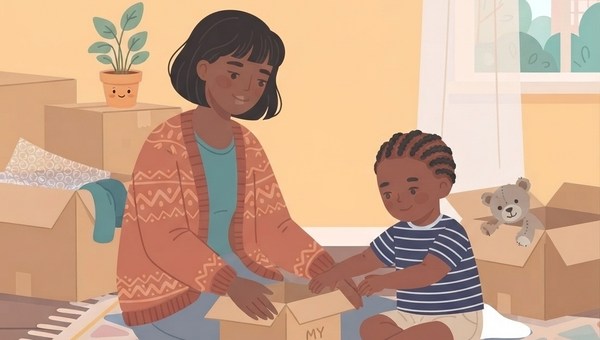
There's an actual timeline for how long moving chaos lasts for kids, and it's shorter, and more predictable, than it feels in week one.
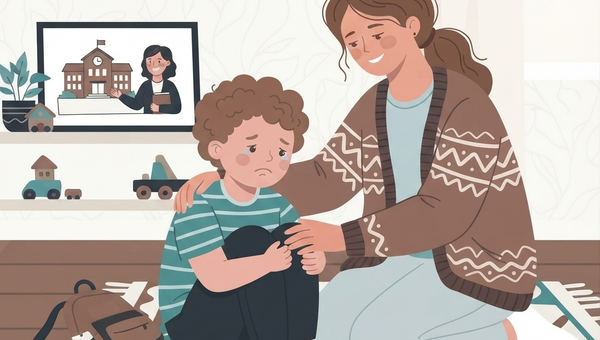
Your kid's first-day meltdown isn't just emotional. There's a measurable hormone spike behind it, and a real timeline for it settling down.
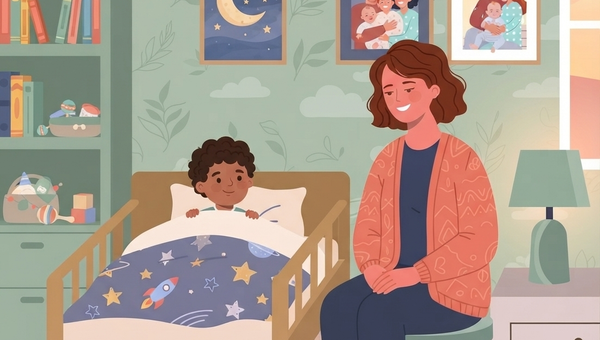
There's real tension between safety and sleep quality in the big bed question. Here's how to think it through.
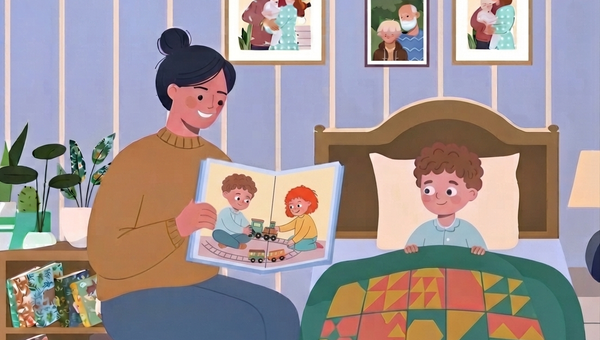
Kids struggle to translate "be nice" into something concrete. A story with a clear example does that for them.

Children's books contain three times as many rare words as ordinary conversation. Here's why that matters.