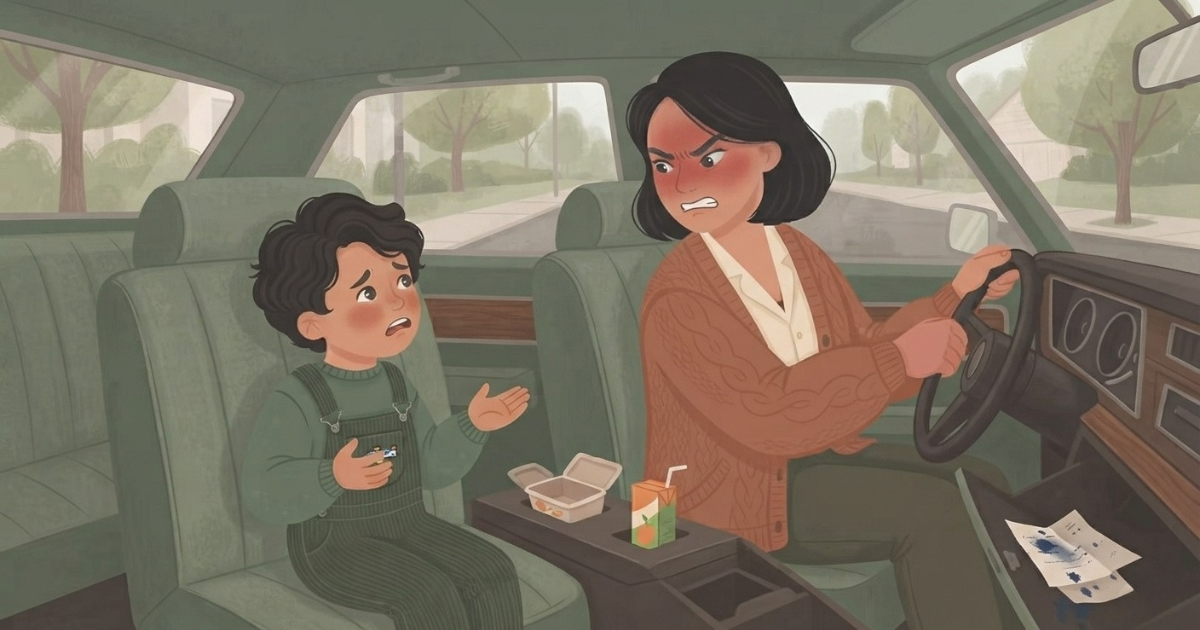
Your kid mumbles something back to you mid-argument, nothing catastrophic, just a normal kid pushing back, and the words that come out of your mouth land somewhere around "excuse me?" in a tone that surprises even you. Dr. Shefali Tsabary has a name for that exact reaction, and it's not really about what your kid just said.
What the Fighter actually is
In her book The Parenting Map, Tsabary describes the fighter as the ego pattern driven by anger, the parent whose default response to frustration is to snap back hard and fast. She illustrates it with a blunt example: a kid says something like "life would have been better if I were an orphan," and the fighter parent's gut response is something in the neighborhood of "what the hell did you just say to me?" Not a measured response to a hurtful comment. A reflexive counterattack.
Where this pattern usually comes from
Tsabary has explained in interviews that the fighter pattern is often inherited almost literally, from watching a parent explode over ordinary logistics growing up, a lost backpack, misplaced keys, a minor mistake. If a child regularly saw an adult "lose it" over small, forgettable things, that becomes the template absorbed for how frustration gets handled, activated automatically decades later over equally small things. According to Tsabary, underneath the fighter's anger is usually fear, though the fighter themselves often hasn't identified that yet, since anger is simply the fastest, most familiar exit from feeling threatened or out of control.
Why the target rarely matches the size of the reaction
This is the detail worth sitting with: the fighter's anger is rarely proportionate to what actually triggered it. A misplaced shoe becomes a five-minute tirade. A slow response to a question becomes a lecture about respect. Tsabary's framing suggests the size of the reaction is the real clue, since a reasonable response to a small annoyance looks nothing like what the fighter produces in the moment.
What this looks like at home tonight
Next time you feel the fighter surge up, try inserting one single beat before responding, even just long enough to silently notice "this is the fighter." You're not required to solve where it came from in that moment. Just naming it internally creates enough of a gap that the next sentence out of your mouth has a slightly better chance of being a response instead of a reflex.
A quick, honest note: this concept comes from Tsabary's clinical and published work rather than a formal academic study, offered here as a framework worth considering, not a clinical diagnosis.
Frequently Asked Questions
Is the fighter pattern the same as just having a short temper? Tsabary frames it as more specific than general temperament, an inherited emotional template activated by triggers that resemble whatever originally taught the pattern in childhood.
Can the fighter pattern change once you notice it? Tsabary presents naming the pattern as the necessary first step, with the deeper work involving understanding its origin and gradually building a different response over time.
Does the fighter pattern only show up as yelling? Yelling is the most visible version, though the underlying anger-driven reactivity can also show up as sharp sarcasm, harsh punishment, or a clipped, cutting tone.
Is it normal to recognize the fighter pattern in yourself sometimes but not always? Yes, Tsabary notes most parents aren't purely one pattern, and the fighter can show up more in certain situations or during periods of higher stress.
Sources:
- Tsabary, S. (2023). The Parenting Map: Step-by-Step Solutions to Consciously Create the Ultimate Parent-Child Relationship.
- Interview with Dr. Shefali Tsabary on the five ego patterns, TODAY.com. Link
Topics in this article
- Shefali Tsabary research
- the fighter ego
- parental anger
- conscious parenting
- emotional triggers
- reactive parenting
- anger management parenting
- parenting patterns
- positive parenting
- personalized book creation
QT
Quilloo Team
Bringing together child development research and thoughtful storytelling for parents.
Weekly parenting insights you'll actually use.
No spam. Just thoughtful ideas, expert tips, and stories that make a difference.