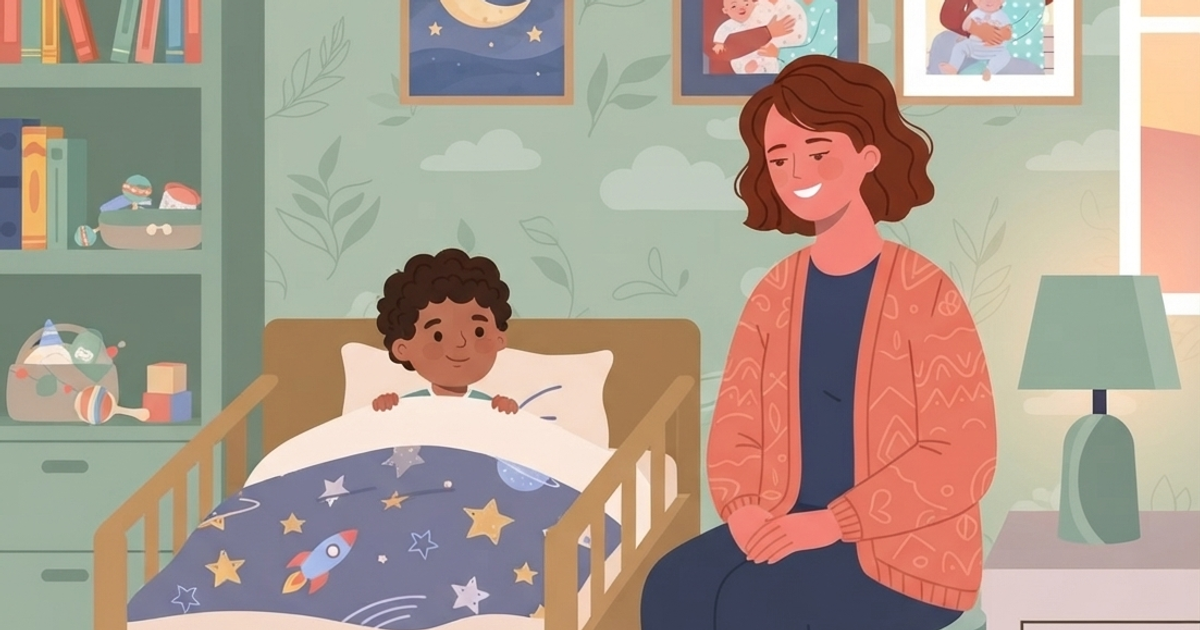
From Crib to Big Kid Bed: The Big Transition
One day they're still a baby sleeping behind a rail. The next, almost without warning, they're standing in front of you announcing they're "already big" and want a bed like their older sibling's. And that's when parents always ask the same question. When is actually the right time to do this?
Two recommendations that don't quite agree
The American Academy of Pediatrics recommends switching to a bed mainly for safety reasons, usually once the crib rail drops below the child's chest height, around 35 inches, which happens for most kids between 18 and 24 months. The logic is simple. A rail that's too low becomes easy to climb over, and climbing out of a crib is the most common cause of falls in toddlers.
But there's a twist here. A 2019 study found that waiting until age 3 may actually improve sleep quality and other health outcomes, compared to an earlier transition. So there are two real, competing considerations pulling in different directions. Physical safety pushes toward moving earlier, while sleep quality pushes toward waiting. There's no single "right" answer here, and every parent has to weigh this against their own specific child.
The signs that actually mean something
Beyond age, there are a few concrete signs worth watching for. Your child climbs over the rail on their own, they've physically outgrown the crib, or they start asking for a "big bed" on their own initiative. It also helps to know when not to make the switch. Not in the middle of a sleep regression, not right before or after another big change like a new sibling, a move, or starting daycare, and not in the middle of an illness. Big changes work better one at a time, not stacked together.
Why the routine matters more than the bed itself
A systematic review looking at bedtime routines found that children with a consistent, predictable routine fell asleep earlier, slept longer, and woke up less at night. And that's exactly what makes the move to a big bed feel less scary. It's not the new bed that determines whether the night goes smoothly. It's the fact that everything else in the routine, the bath, the pajamas, the story, stays exactly the same.
Where a story can help right here
And this is exactly the moment a personalized story can give a child what they need most. A feeling that they've already "been there," that they already know what it feels like to be in the big bed and fall asleep peacefully, before they've even tried it for real. When you create a Quilloo story about this transition, your child sees themselves, with their own name, in a room that looks like their real one, proud of their new bed and falling asleep in it confidently. That makes the actual first night feel less scary, because in their mind, they've already "done this" once before.
What if they're worried about what lives under the new bed
Sometimes the fear isn't about the bed itself, but what it "exposes." A crib with high sides feels closed off and protected, and an open bed can suddenly bring up thoughts about what might be hiding underneath or beside it. Humor can work better here than an overly serious pep talk. If your child is convinced something's under the new bed, you can discover together that this particular "monster under the bed" happens to be very shy and afraid of light, and give them a small flashlight they can switch on themselves. Or decide that a friendly little imaginary "bed guardian" already protects the new bed every night. Humor doesn't erase the fear, but it gives your child a sense of control over their new space, and takes some of the scary seriousness out of the transition.
Frequently Asked Questions
At what age can a child move to a big kid bed? Most children transition between 18 months and 3 years old. The AAP recommends the switch for safety once the rail drops below chest height, while some studies suggest waiting until age 3 for better sleep outcomes.
What if my child keeps getting out of bed at night? It's best to calmly and consistently return them to bed, without extra attention or punishment, and repeat this patiently until the habit settles.
Should I wait if another big change is already happening? Yes, it's strongly recommended to space out big changes like a new sibling, a move, or starting daycare from the bed transition itself.
What if my child is scared of the new bed? Give them time, don't push it, and consider tools like a personalized story that lets them "practice" the feeling in advance.
Want your child to already feel safe in their big kid bed, before the very first real night?
Topics in this article
QT
Quilloo Team
Bringing together child development research and thoughtful storytelling for parents.
Weekly parenting insights you'll actually use.
No spam. Just thoughtful ideas, expert tips, and stories that make a difference.