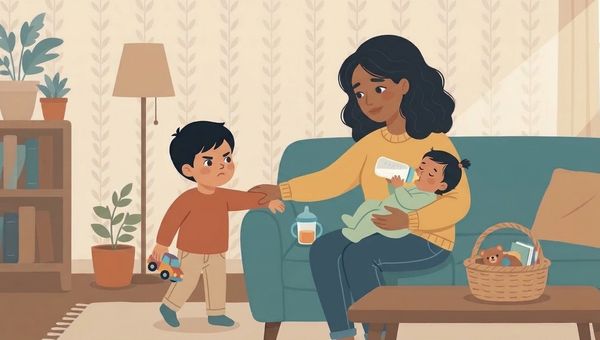
sibling jealousy
Sibling Jealousy: What It Looks Like at Every Age
From the toddler wedged on your lap to the 7-year-old keeping score: what sibling jealousy looks like at each age, and what helps.

From the toddler wedged on your lap to the 7-year-old keeping score: what sibling jealousy looks like at each age, and what helps.
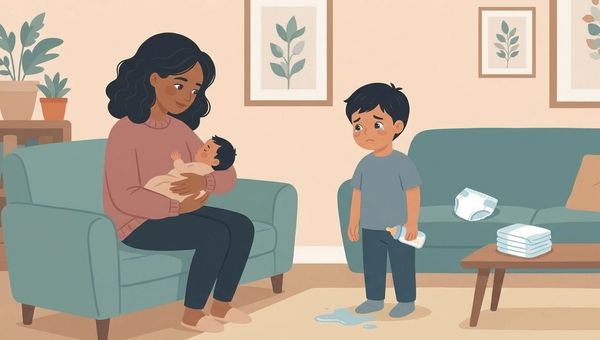
Puddles by the couch after months of dry pants? Here's why a new baby shakes potty skills, and how to help them return.
"When is Grandpa coming back from being dead?" The honest, simple words that help young kids understand death, and the ones to skip.
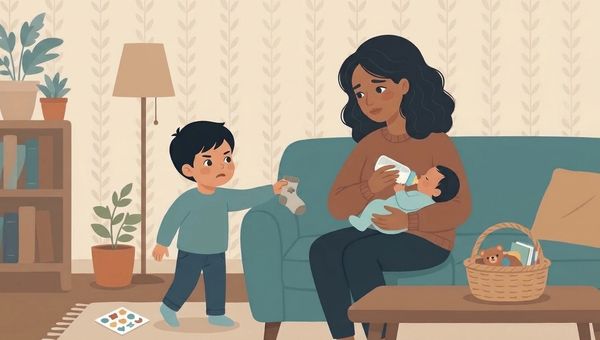
The baby eats, and suddenly your preschooler needs everything at once. Here's what's behind it and how to ease the first weeks.
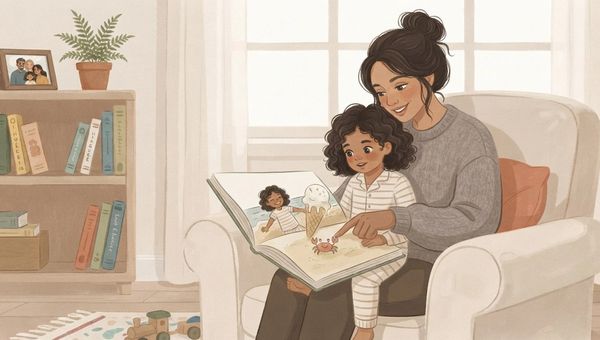
Your kid forgot the roller coaster but remembers the seagull. Here's how family memories really form, and how to make them last.
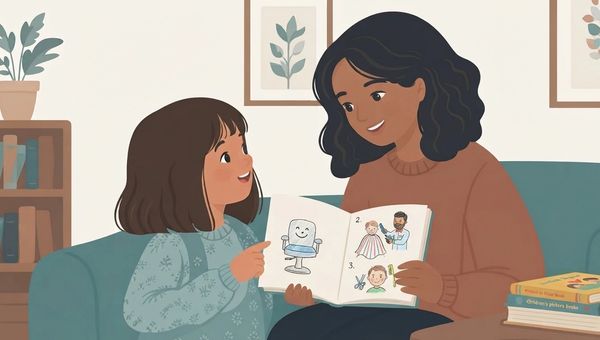
Social stories are not just for autistic kids. Here is how they can help any toddler face something new.
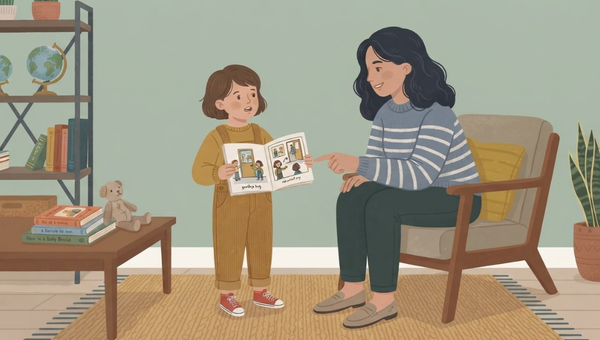
Social stories help, but modestly. Here is what the research shows and how to get more out of them.
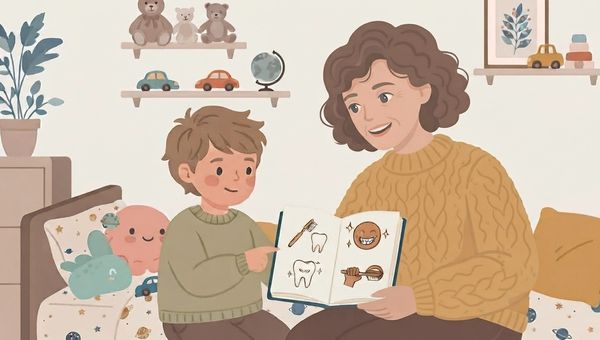
Why the best social stories change how adults see a child before they change the child.
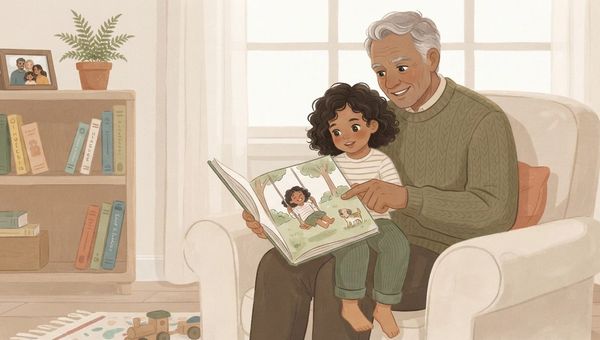
By lunchtime, the new robot lost to the cardboard box. So what makes a gift for kids actually last? Research has some clues.
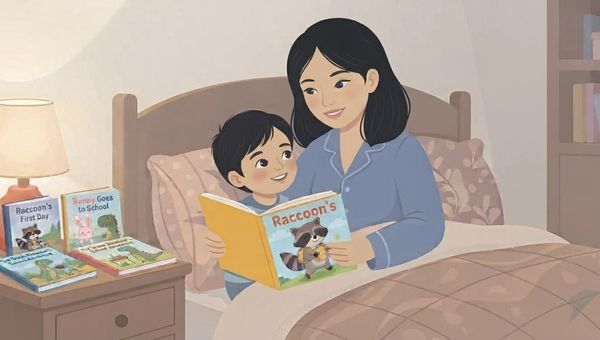
One short, true story can calm a worried child before a big day. Here is how social stories work.
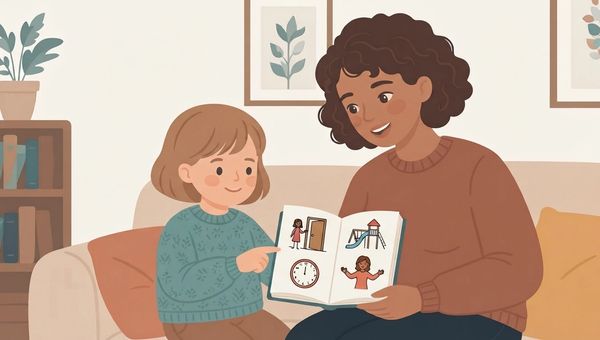
A step-by-step guide to writing a calm, true story that prepares your child for a new situation.
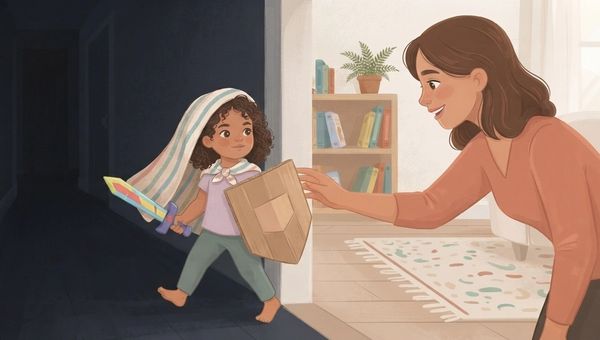
Kids who "become" a hero persist longer at hard tasks. Here's what the Batman Effect means for the hero living in your house.
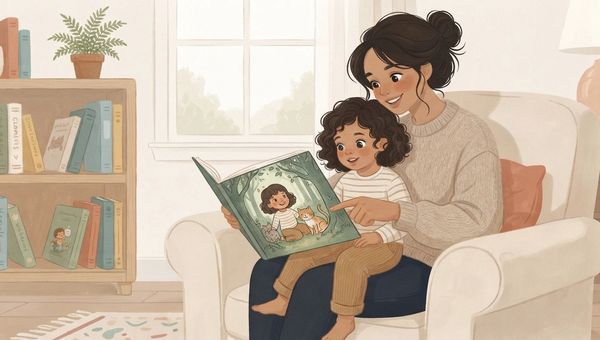
Swap the hero's name for your kid's and watch them sit bolt upright. Here's the science behind that "That's ME!" moment.
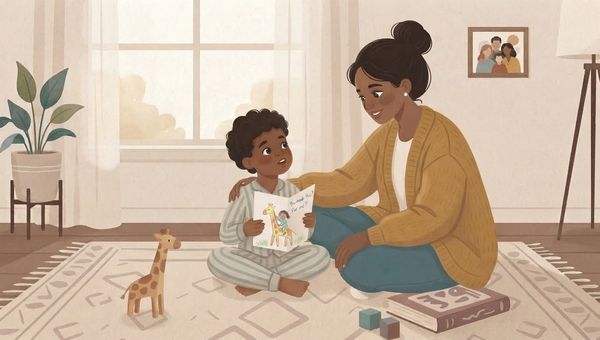
"You made this? For me?" Why that moment matters so much to kids, and why even babies seem to understand the love behind effort.
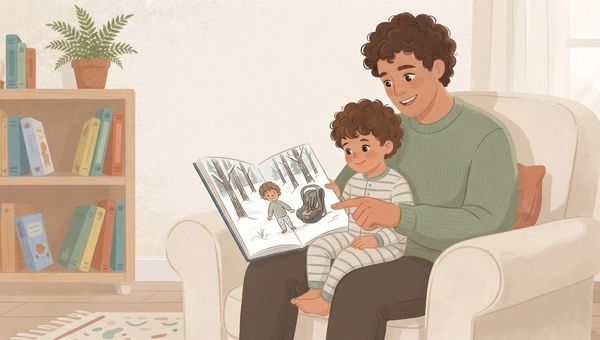
Praise is nice. But a story about your child tells them something deeper: someone was paying attention. Here's why it works.
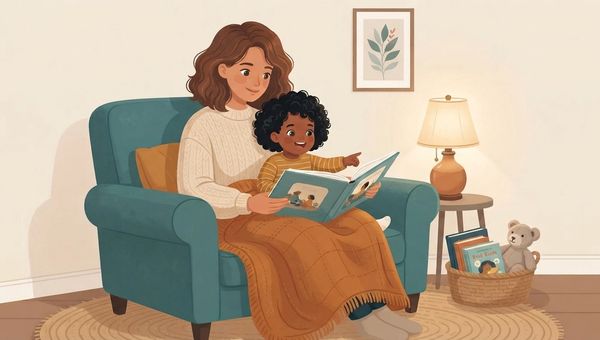
One book a day, same lamp, same blanket. Here's how to turn reading into the ritual your kid actually asks for.
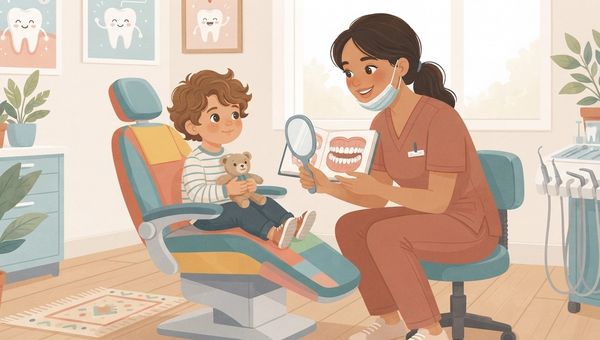
One short, true story can calm a worried child before a big day. Here is how social stories work.
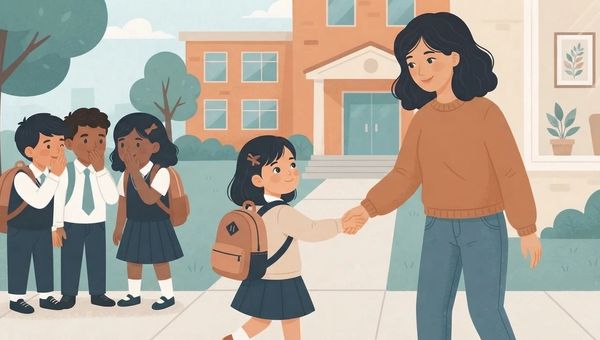
Children are wired to follow someone's lead. Gordon Neufeld's idea of peer orientation explains why that someone should still be you, and offers three simple ways to stay your child's first call.
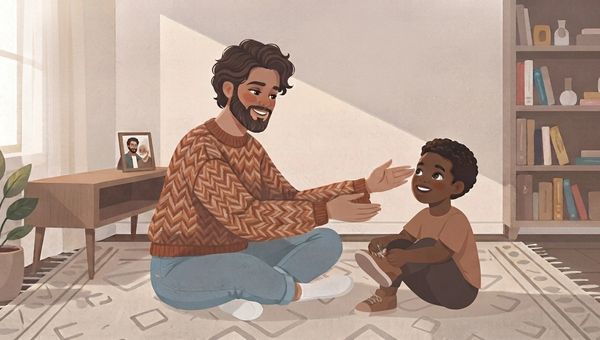
"It's only 10 percent what the child is doing and 90 percent what the parent is doing."
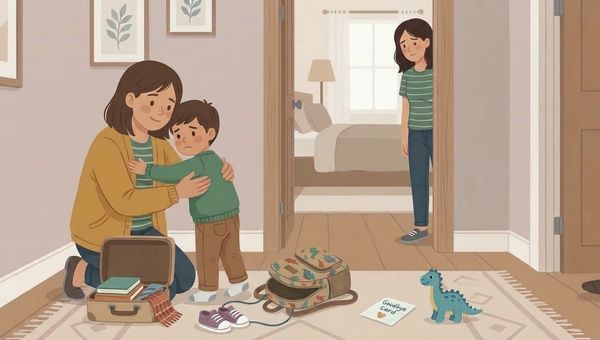
She knows how he likes his toast and which song ends bath-time protests. Now she's leaving. How to help your child say goodbye.
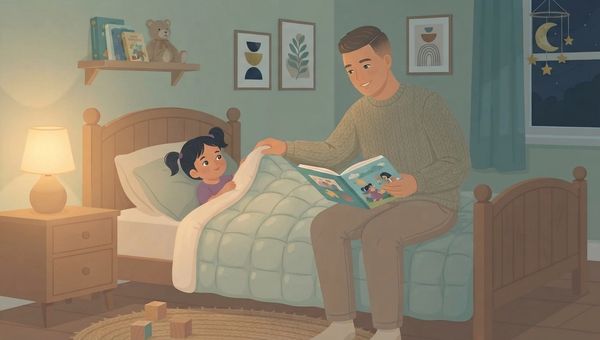
That moment at 8 p.m. when your kid finally tells you everything? It's not a coincidence. Here's why bedtime is your golden hour.
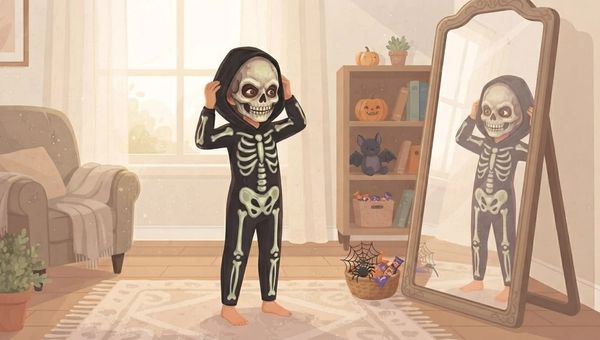
Your kid wants to be "a spider who is also a mailman." Here's why saying yes might be the smartest parenting move of October.
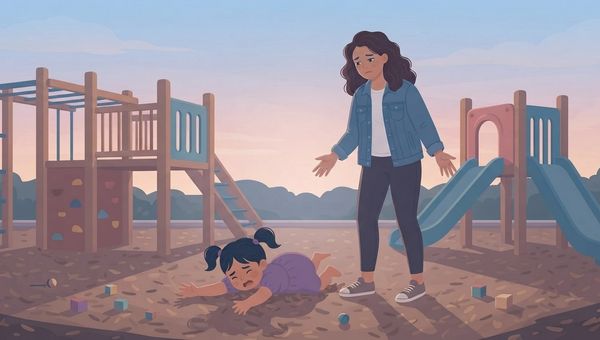
The park meltdown doesn't have to be a choice between caving and "stop crying." Dr. Becky Kennedy offers a third way.
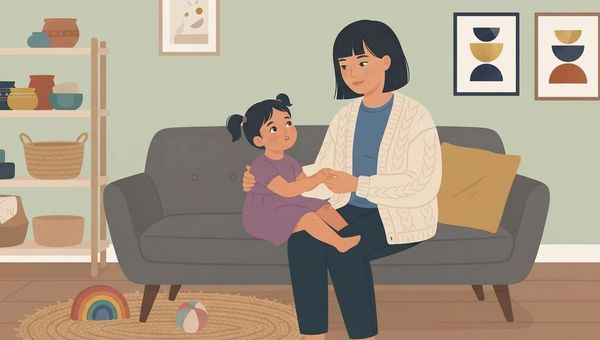
"He's doing it on purpose" is the easiest story to believe. Dr. Becky Kennedy offers a better one, and it's usually more accurate.
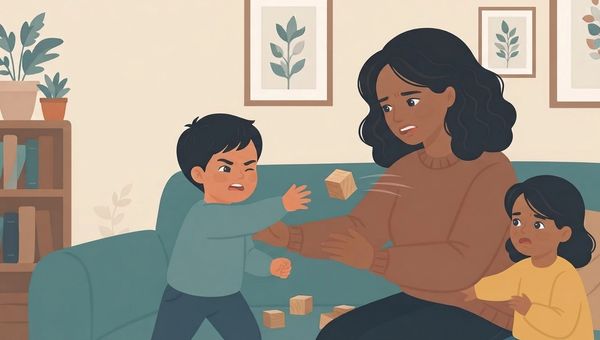
Your kid threw a block at his sister. Dr. Becky Kennedy says the story you tell yourself next matters more than you think.
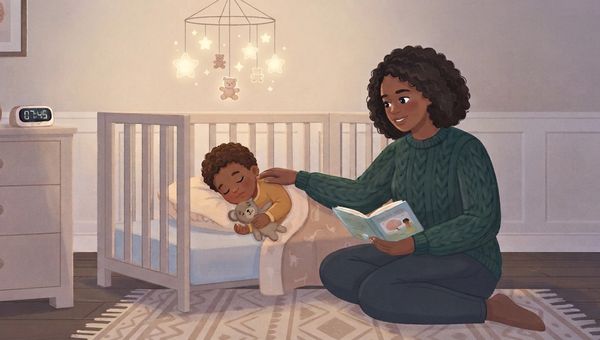
our toddler's 6 p.m. meltdown might not be about the banana. Here's how much sleep little brains actually need.
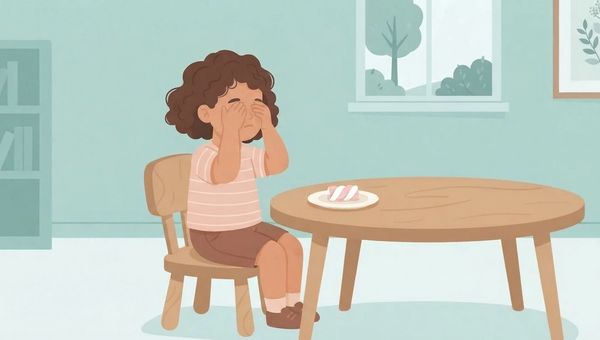
Your kid ate the marshmallow in 11 seconds. Here's what that really says, and how to teach waiting.
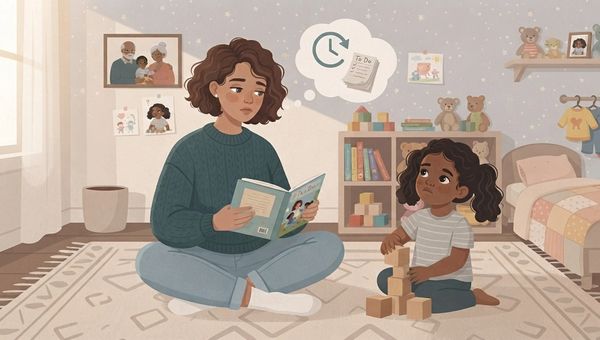
Your body can be fully in the room while the part that actually matters checked out ten minutes ago.
The wrong problem, according to Tsabary, is almost always the one parents start with.
The same punishment, working less and less each time, might be a sign the whole approach was aimed at the wrong target.
The system matters less than the consistency. Real research points to a surprisingly simple answer.
World peace is too abstract for a four-year-old. The crayon dispute happening right now isn't.
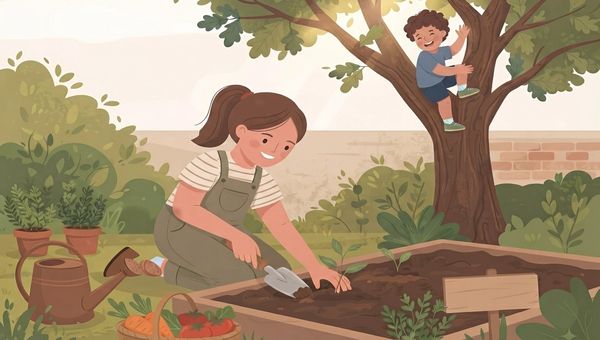
Kids don't automatically prefer make-believe. Given a real choice, most of them pick real life, consistently.
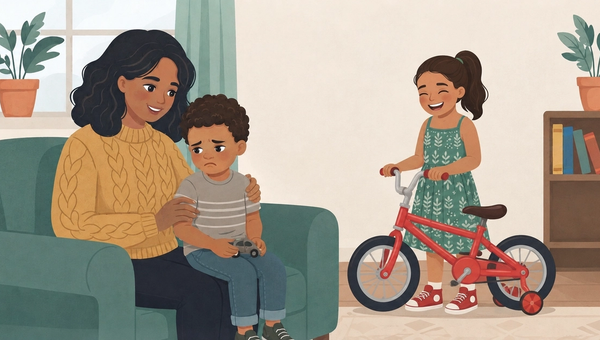
The same comparison hits differently depending on whether it's a sibling or a stranger, and that difference is measurable.
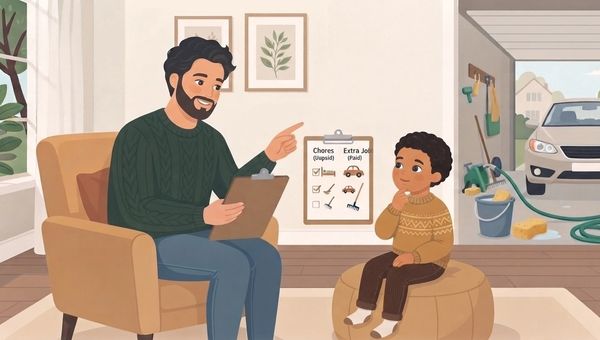
A kid asking to earn money isn't the same as a kid being bribed, and the research treats those two situations very differently.
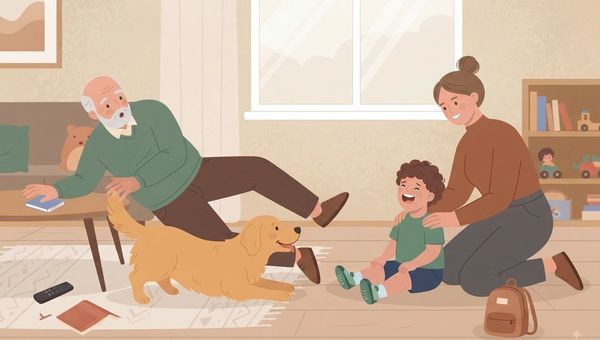
That laugh at Grandpa's near-fall isn't a lack of empathy. It's your kid's brain making a split-second safety call.
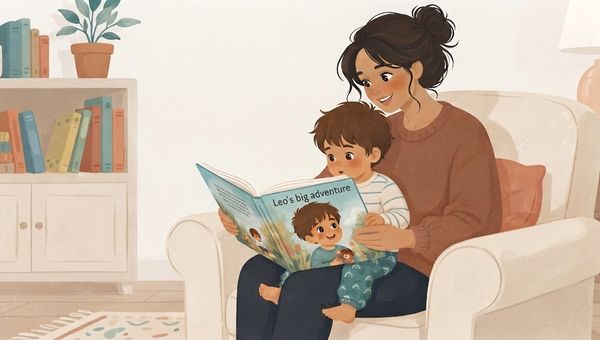
Personalization has real evidence behind it, but not quite in the simple, always-wins way it's usually marketed.
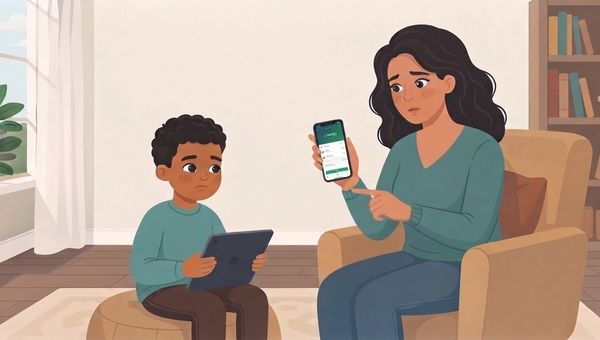
Your kid probably didn't understand what they were buying, and that's not an accident of game design.
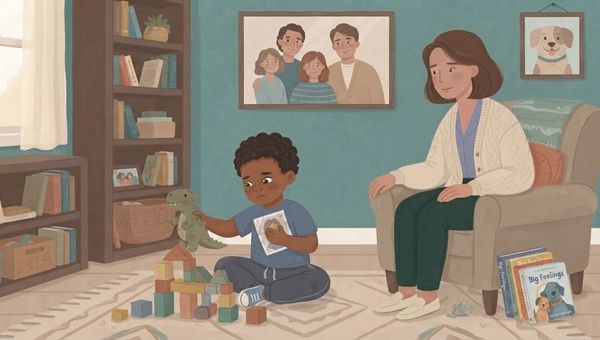
Two kids can go through the exact same hard moment and come out completely differently, and that gap is the whole point.
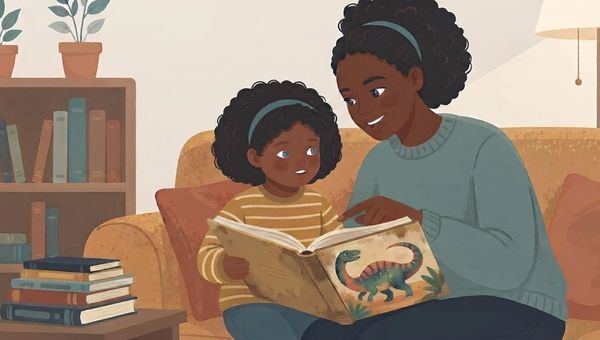
Reading the same dinosaur book for the 47th time? Good news: that "again!" is one of the smartest things your kid does.
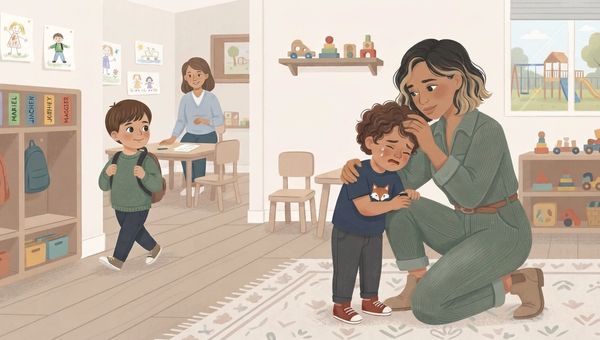
One twin cries every drop-off. The other walks right in. Here's what preschool temperament research says is actually going on.
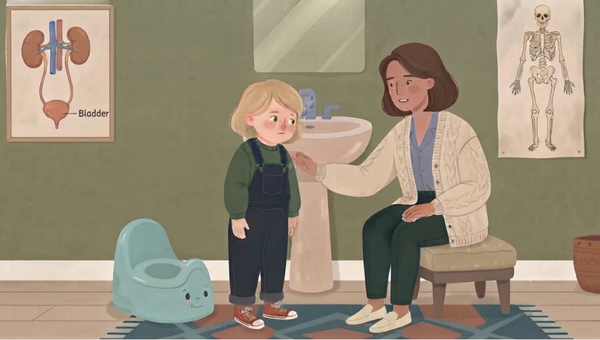
What looks like stubborn refusal is, in a large share of cases, a body that physically can't do what it's being asked to do yet.
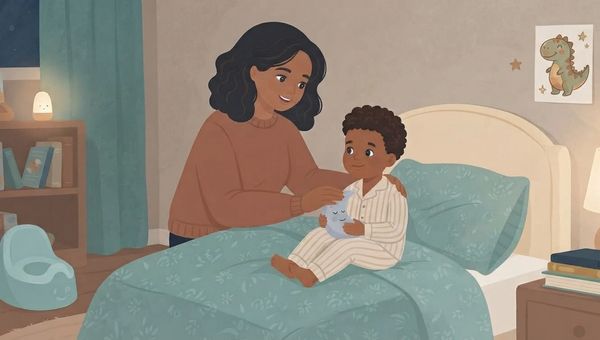
Dropping the nighttime diaper after three good nights feels exciting. Waiting for two solid weeks avoids an unnecessary setback.
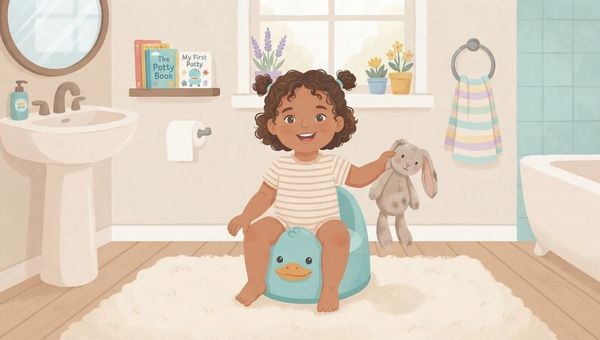
The research suggests the debate over cold turkey versus gradual matters less than most parents think, and timing matters more.
Timing matters just as much as the topic itself. Here's how to get it right.
The conversation about divorce often goes wrong not because of what's said, but because of the gap between how adults and kids actually understand it.
One missed shot becomes "I'm bad at everything," and there's a simple question that stops the spiral.
Sometimes the thing you want so badly for your kid was actually meant for you, a long time ago.
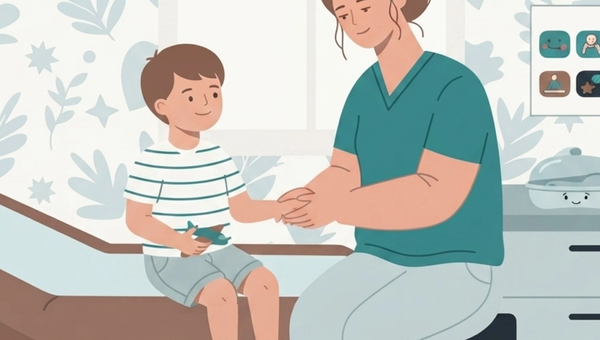
Nearly two-thirds of kids fear needles, and there's an actual tested four-step system for it that isn't just "look away."
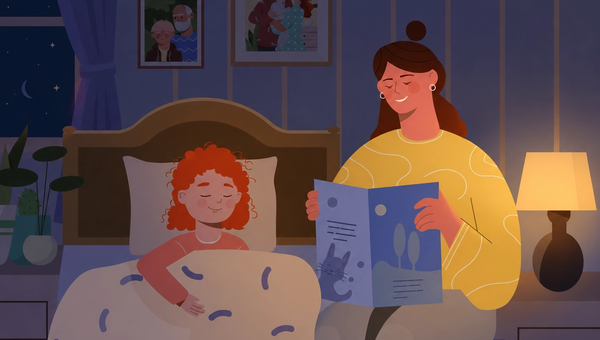
Why 15 minutes of bedtime reading matters more than any educational toy, the research behind shared reading, and how a personalized story deepens the effect.
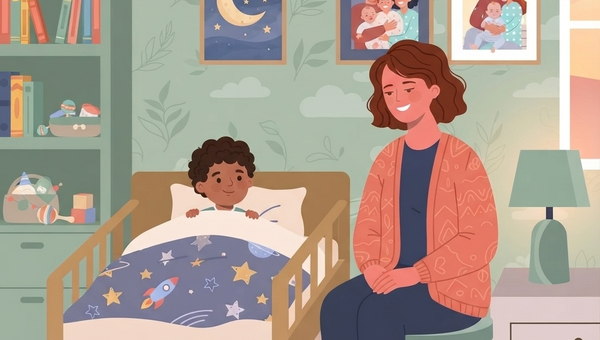
There's real tension between safety and sleep quality in the big bed question. Here's how to think it through.
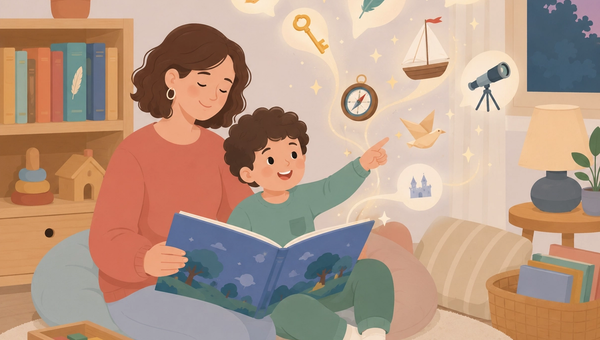
Children's books contain three times as many rare words as ordinary conversation. Here's why that matters.