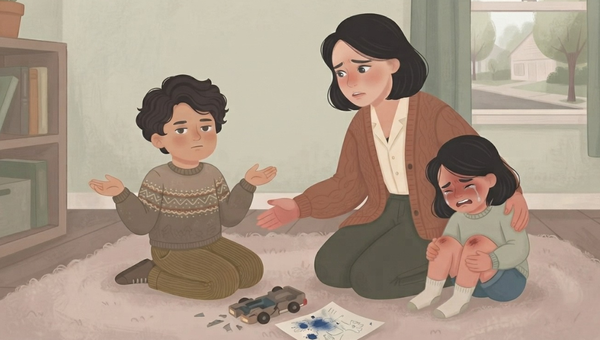
callous-unemotional traits
When Your Child Seems to Lack Empathy: What "Callous-Unemotional Traits" Actually Means
The word you're searching for at 2am probably isn't the right one, and the actual research is more hopeful than it feels right now.
Fear of the dark, worry about monsters, the anxious thoughts that loop at bedtime, the meltdown that arrives without warning. These articles look at what's happening underneath a child's big emotions, and what helps a child learn to name and settle them.
14 articles
The word you're searching for at 2am probably isn't the right one, and the actual research is more hopeful than it feels right now.
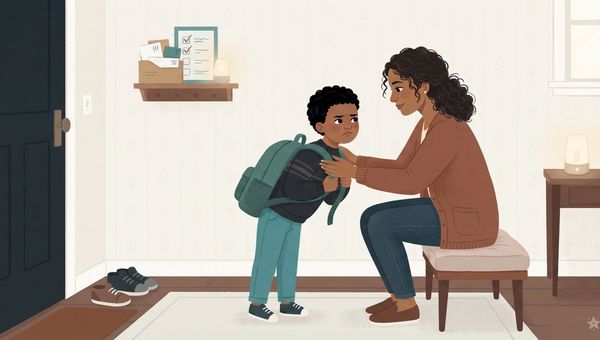
Trying to talk your kid out of hating school rarely works. Naming that they hate it right now often does.
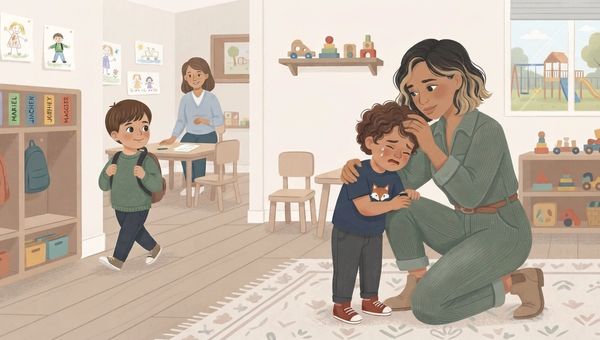
One twin cries every drop-off. The other walks right in. Here's what preschool temperament research says is actually going on.
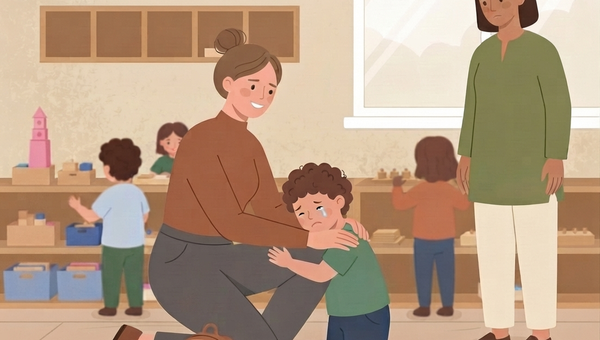
Why does your calm, capable kid turn into a barnacle at drop off? A Montessori-inspired look at what's really behind first day separation anxiety, and what actually helps.

Does total avoidance help when your child is afraid of the dark, dogs, or the doctor? Research into "graduated exposure" suggests otherwise. Discover how a personalized story can help your child face fears step-by-step, turning anxiety into a journey of courage.

The meltdown the second they walk in the door isn't a bad sign. It might be the clearest sign of trust you're getting all day.
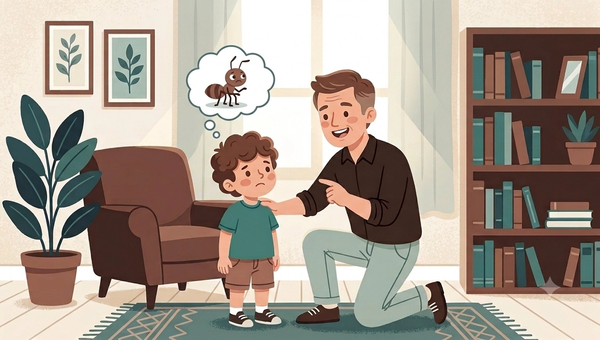
One missed shot becomes "I'm bad at everything," and there's a simple question that stops the spiral.

The kid who wants you to stay a little longer at bedtime isn't behind schedule. According to attachment research, that's exactly how independence gets built.
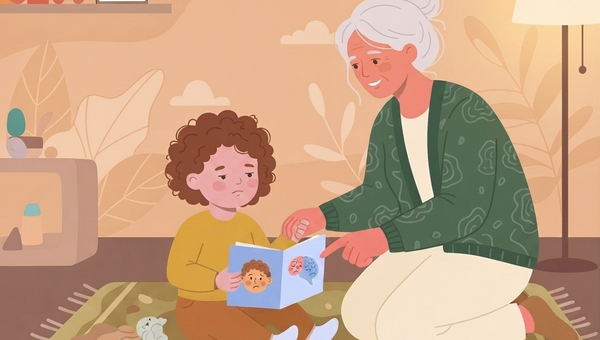
There's a one-sentence move that calms a meltdown better than reasoning, bribing, or a stern voice ever does.
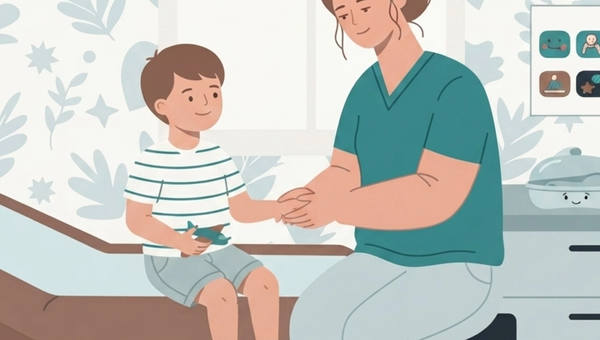
Nearly two-thirds of kids fear needles, and there's an actual tested four-step system for it that isn't just "look away."
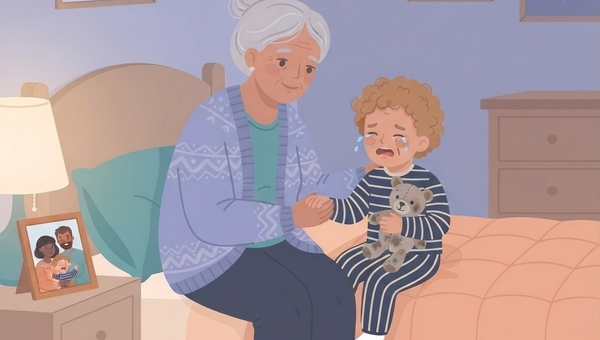
Your kid crying for you at Grandma's house at bedtime isn't a red flag. It's actually what healthy attachment looks like from the inside.
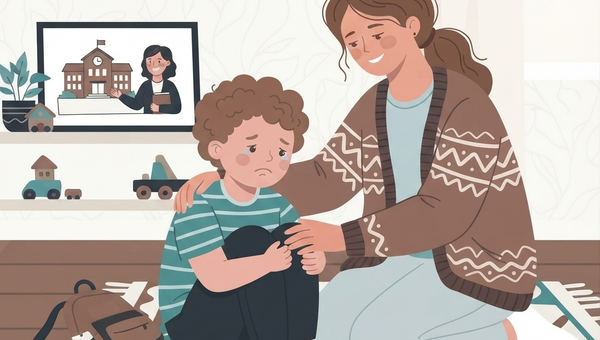
Your kid's first-day meltdown isn't just emotional. There's a measurable hormone spike behind it, and a real timeline for it settling down.
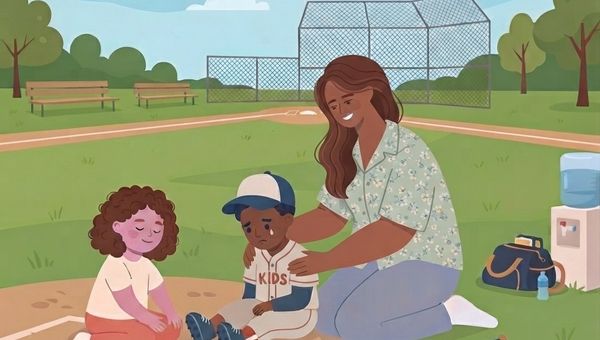
Being good at things and feeling worthwhile aren't the same thing, and mixing them up might explain why some pep talks just don't land.
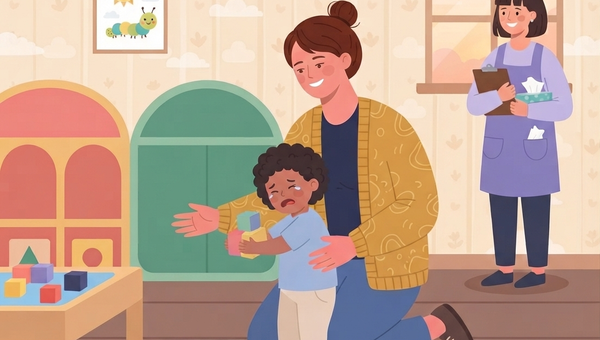
Your kid clinging to your leg at drop-off isn't a parenting fail. It's textbook attachment behavior, and there's a script for it.