
International Day of Peace
What "Peace" Actually Means to a Four-Year-Old
World peace is too abstract for a four-year-old. The crayon dispute happening right now isn't.
Potty training, giving up the pacifier, the first day of school, the first flight, the first night in a big-kid bed. Milestones are rarely linear and almost never happen on schedule. These articles cover the ones that tend to cause the most worry.
15 articles
World peace is too abstract for a four-year-old. The crayon dispute happening right now isn't.

That laugh at Grandpa's near-fall isn't a lack of empathy. It's your kid's brain making a split-second safety call.
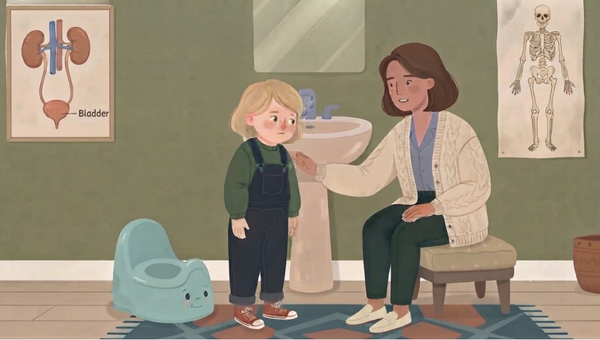
What looks like stubborn refusal is, in a large share of cases, a body that physically can't do what it's being asked to do yet.

Dropping the nighttime diaper after three good nights feels exciting. Waiting for two solid weeks avoids an unnecessary setback.

The research suggests the debate over cold turkey versus gradual matters less than most parents think, and timing matters more.
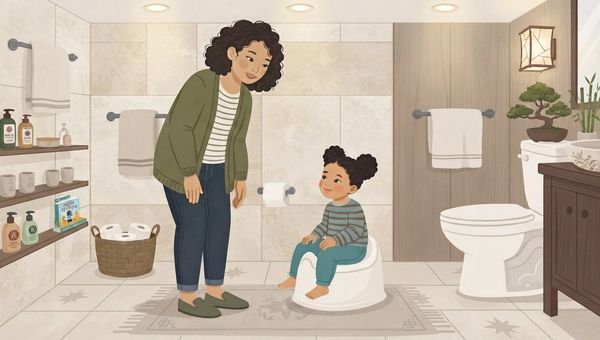
Noticing the signs is the easy part. Here's the actual sequence for what comes next.
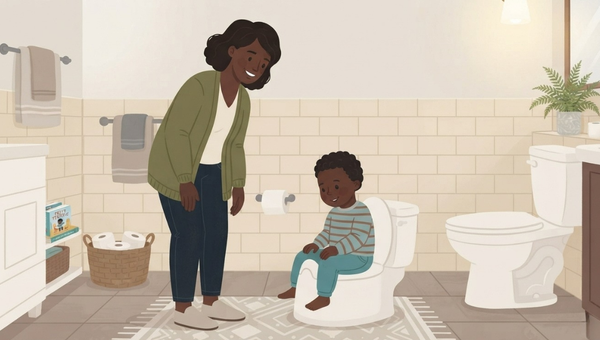
The calendar is one of the least reliable ways to know when to start. Here's what actually predicts readiness.

This approach treats the relationship as the foundation potty training is built on, not a separate thing to protect while training happens.

Montessori educators don't call it potty training. The word they use instead says a lot about the whole approach.

A doll that can "wet" itself is doing more work in this method than it looks like at first glance.

Some families start "potty training" before their baby can even sit up unsupported, and it's not as unusual globally as it sounds.

Giving up the pacifier doesn't have to be a battle. Learn what pediatric experts recommend, why gradual weaning works best, and how personalized stories can help children feel confident about this important milestone.
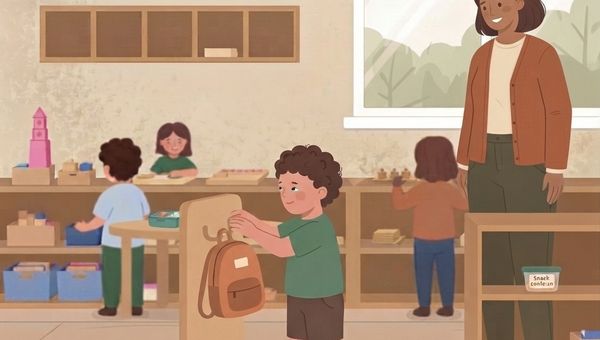
Some first-day anxiety has nothing to do with feelings and everything to do with an unfamiliar snack container.

Potty training - what Dr. Brazelton's approach (Pediatrics, 1962) says about waiting for your child's readiness, and why pushing too early can backfire.

The meltdown at 30,000 feet usually traces back to something that could have been addressed on the ground.