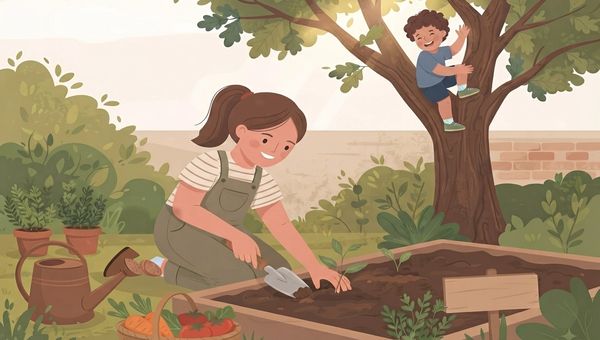
Angeline Lillard research
Kids Actually Prefer Real Activities Over Pretend Play, Says the Research
Kids don't automatically prefer make-believe. Given a real choice, most of them pick real life, consistently.
How children actually build skills — through movement, through stories, through play that looks like nothing much is happening. These articles cover language development, the link between physical activity and learning, and why practical practice tends to beat encouragement.
12 articles
Kids don't automatically prefer make-believe. Given a real choice, most of them pick real life, consistently.
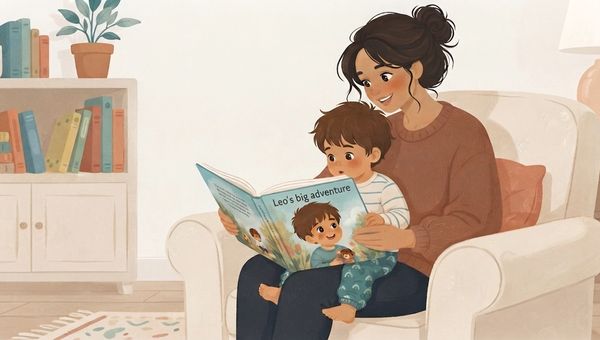
Personalization has real evidence behind it, but not quite in the simple, always-wins way it's usually marketed.
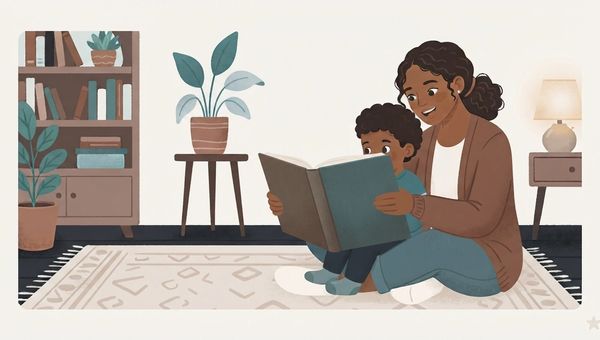
Your kid understands situations they've never lived through, and a lot of that understanding came from characters who lived through them first.
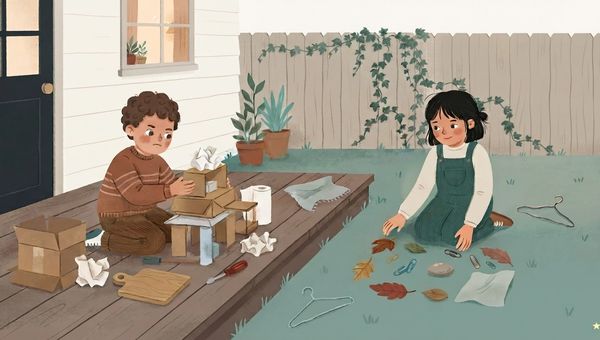
The clumsy, boring middle part of an unplanned afternoon isn't the problem. It's close to the entire point.
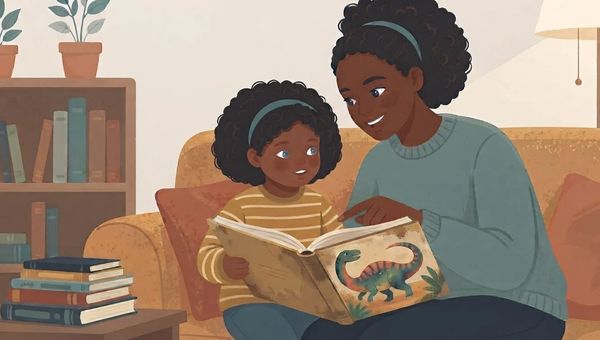
Reading the same dinosaur book for the 47th time? Good news: that "again!" is one of the smartest things your kid does.
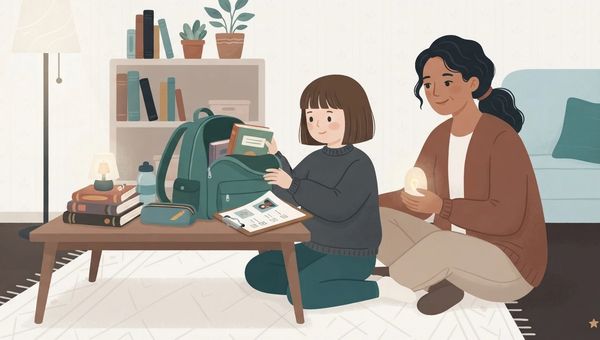
The forgotten library book isn't just a morning headache. It might be exactly where the learning happens.
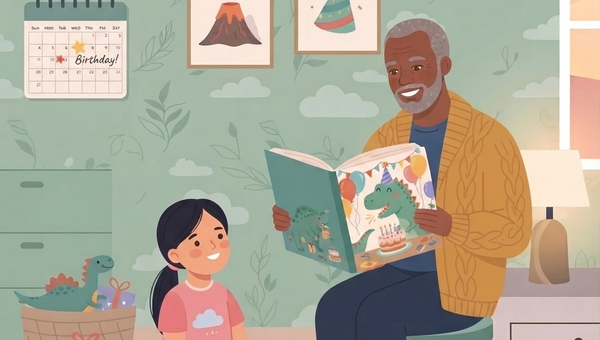
Timing matters just as much as the topic itself. Here's how to get it right.
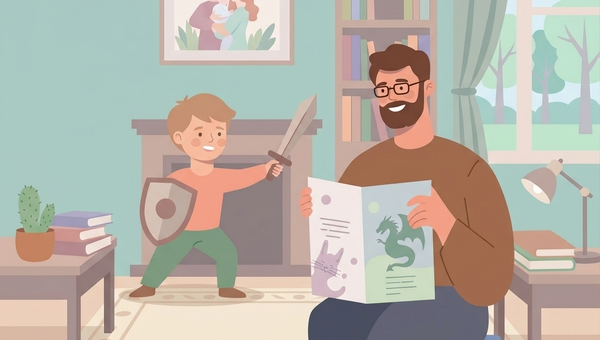
How stories build real self-confidence in children, Bandura's self-efficacy theory (1977) and why a story where the child is the hero works better than any other.
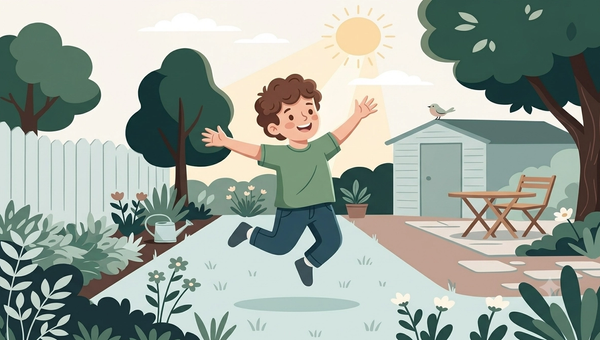
The stuck homework standoff might need less pushing and more jumping jacks.
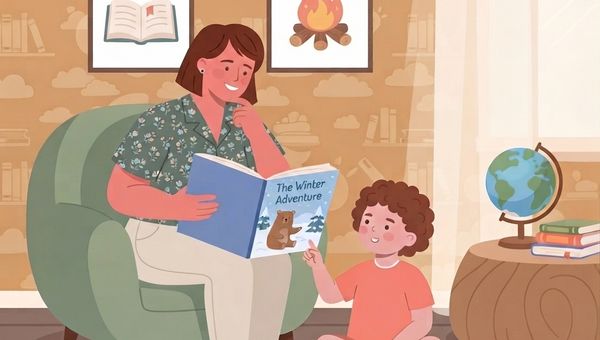
Parents naturally talk differently during book time, and it turns out that difference predicts academic language a decade later.
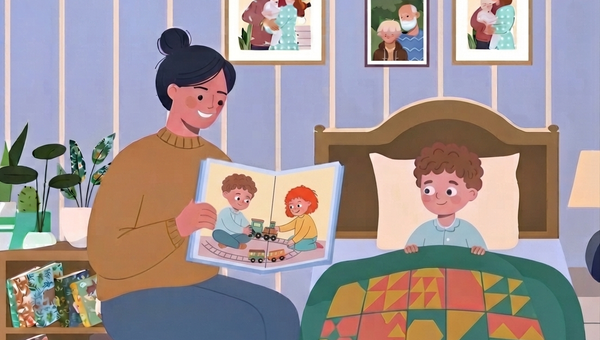
Kids struggle to translate "be nice" into something concrete. A story with a clear example does that for them.
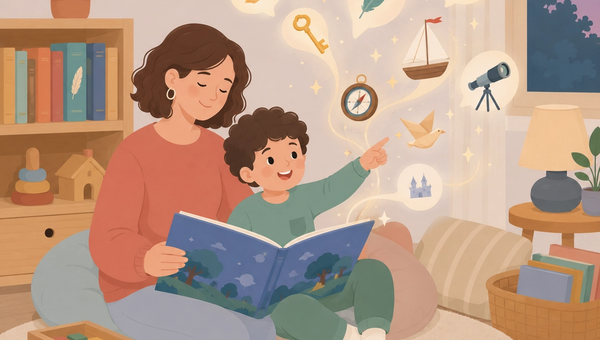
Children's books contain three times as many rare words as ordinary conversation. Here's why that matters.