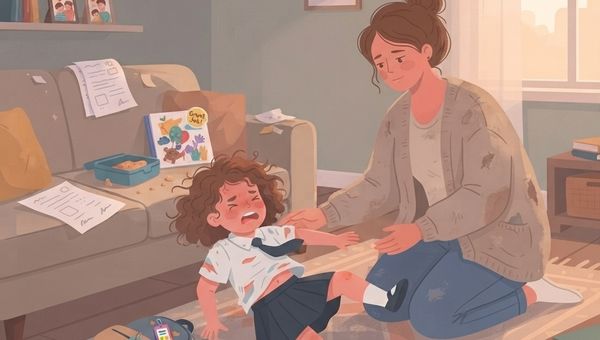
after school restraint collapse
Why Your Kid Melts Down at Home After a Good Day at School
The meltdown the second they walk in the door isn't a bad sign. It might be the clearest sign of trust you're getting all day.
The meltdown the second they walk in the door isn't a bad sign. It might be the clearest sign of trust you're getting all day.
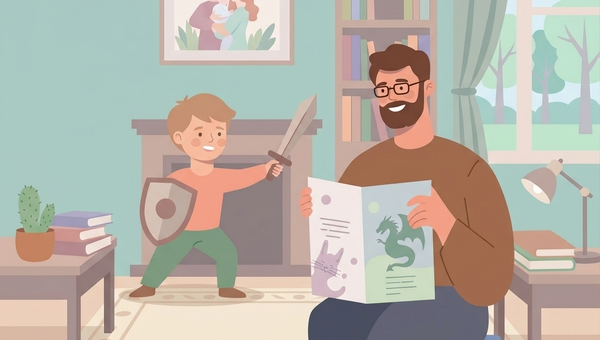
How stories build real self-confidence in children, Bandura's self-efficacy theory (1977) and why a story where the child is the hero works better than any other.
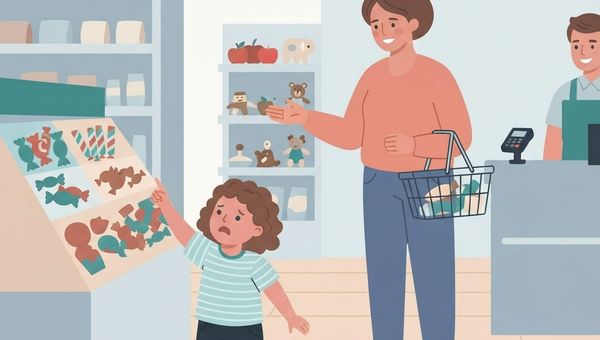
Nine repeated requests before you give in isn't your imagination. It's the documented average.
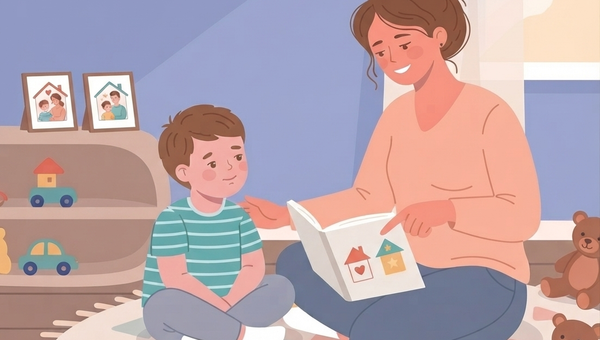
The conversation about divorce often goes wrong not because of what's said, but because of the gap between how adults and kids actually understand it.
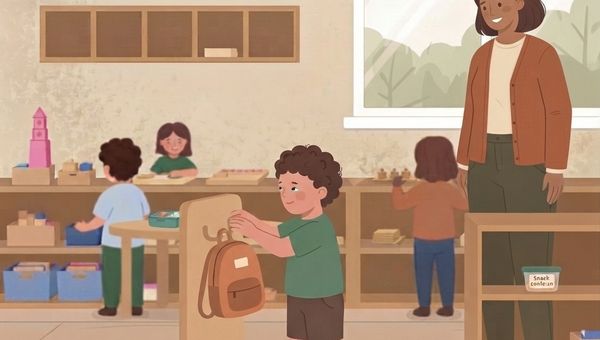
Some first-day anxiety has nothing to do with feelings and everything to do with an unfamiliar snack container.
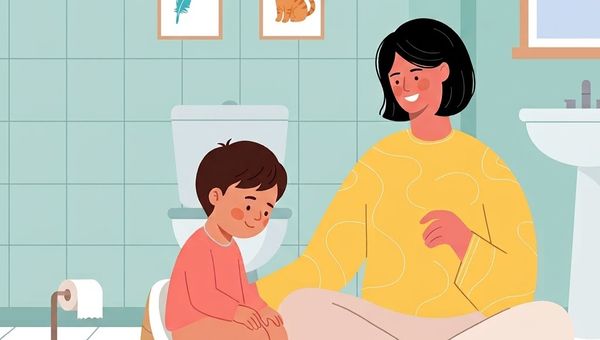
Potty training - what Dr. Brazelton's approach (Pediatrics, 1962) says about waiting for your child's readiness, and why pushing too early can backfire.

The meltdown at 30,000 feet usually traces back to something that could have been addressed on the ground.
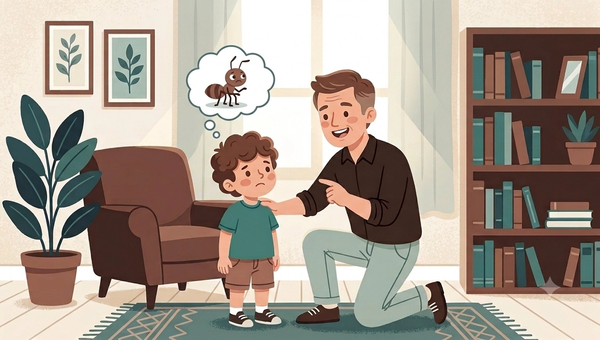
One missed shot becomes "I'm bad at everything," and there's a simple question that stops the spiral.

The stuck homework standoff might need less pushing and more jumping jacks.