
Quilloo

Posts tagged “Jane Nelsen”

A touching, painterly illustration set in a dimly lit bedroom at night. A woman sits on a plush rug, tenderly hugging a crying young boy who is clinging to a teddy bear. Behind them, another child with braids watches from the bed, looking concerned. A bedside lamp casts a warm glow, and a window shows a dark night sky. The overall mood is intimate and comforting.
special time with kids

How to Schedule Special Time With Your Child (and Why It Works)

You spent all day together, and your kid still says you never play with them. Here's what Jane Nelsen says is missing.

An illustrated scene in a cozy living room shows a woman kneeling on a rug, gently holding the arms of an angry boy with his arms crossed and a red face. In the background, a younger boy is sitting in a teal armchair, crying into a tissue. A toy tent and shelves with building blocks are also visible.
connection before correction

Connection Before Correction: Why Your Child Can't Hear You Until They Feel You

Your lecture isn't failing because it's wrong. It's failing because it came first. Jane Nelsen's fix is all about order.
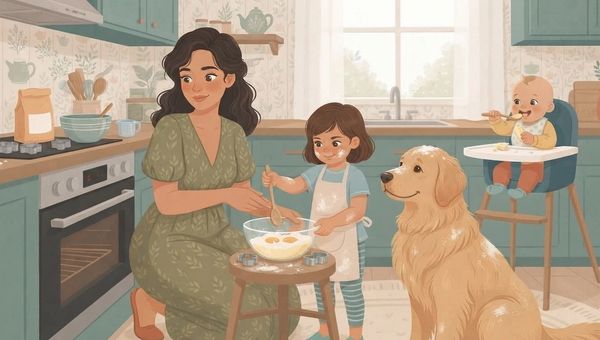
An illustrated scene in a cozy, well-lit kitchen shows a woman kneeling and helping a young girl stir a bowl of ingredients, likely for baking. The girl is covered in flour. A golden retriever dog sits next to them, also dusted with flour, while a baby in a high chair in the background is eating. The cabinetry is a muted teal green.
belonging and significance

The Two Needs That Explain Your Child's Behavior: Belonging and Significance

Behind the whining, the meltdowns, and the egg on the floor are two simple needs. Here's how to meet them on purpose.
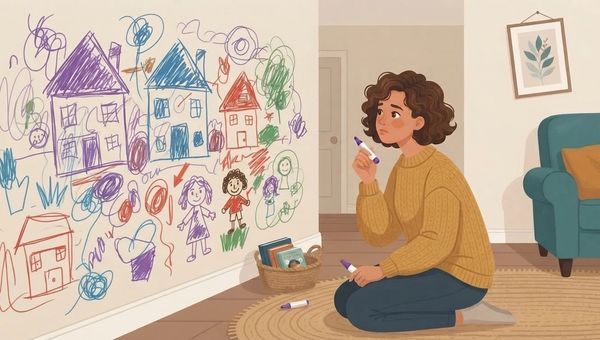
An illustrated scene showing a woman with curly brown hair kneeling on a rug in a living room, thoughtfully holding a purple marker while looking at a wall that is extensively covered in a large, colorful mural of children's drawings and scribbles of houses and figures.
does punishment work

Does Punishment Work? Jane Nelsen on Why Children Do Better When They Feel Better

Jane Nelsen's most famous question takes aim at an idea most of us grew up with: that kids have to feel bad before they'll do better.
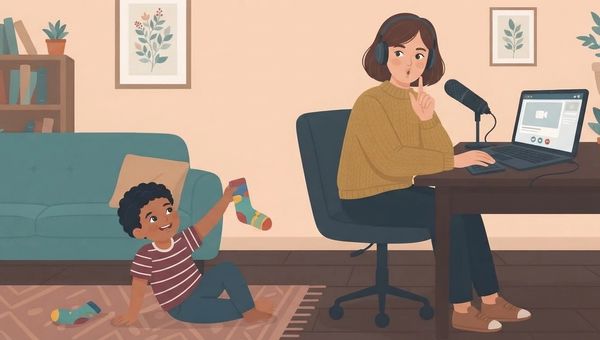
An illustrated scene depicting a woman at a desk in a home office, holding a "shush" finger to her lips while on a video call, while a smiling young Black boy sits on the rug in the foreground, holding up a single colorful sock.
mistaken goals of misbehavior

The Four Mistaken Goals of Misbehavior: What Your Child Is Really Trying to Tell You

That annoying behavior has a job. Here's how Jane Nelsen's four mistaken goals help you figure out what it is, starting with your own feelings.
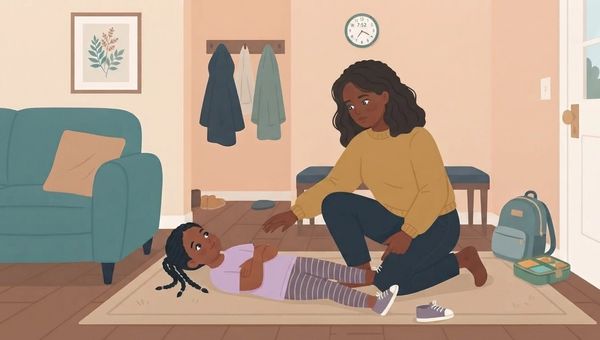
An illustrated scene in a cozy home hallway: a Black mother with dark curly hair is kneeling next to her young Black daughter who is lying on the rug with her arms crossed, refusing to put on her shoes, while a clock on the wall reads 7:52.
kind and firm parenting

Kind and Firm at the Same Time: Jane Nelsen's Answer to the Strict vs. Gentle Debate

You don't have to choose between the drill sergeant and the pushover. Jane Nelsen's "kind and firm" idea lives in one small word: and.
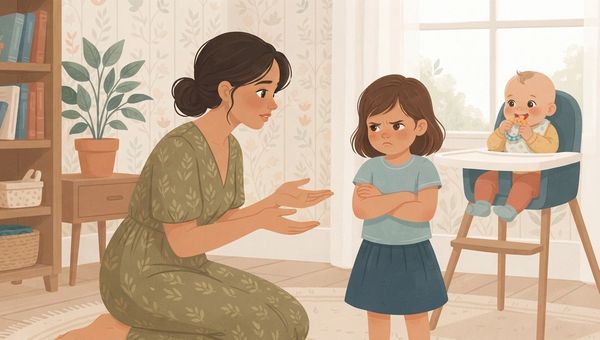
An illustrated scene in a soft, textured children's book style, depicting a quiet conflict resolution. A mother, with dark hair in a bun and wearing a green patterned dress, kneels on a patterned rug, her hands extended in an empathetic gesture toward her young daughter. The daughter, with arms crossed and a pouting, scowling expression, stands facing her mother. To the right, a baby sits happily in a highchair, playing with a teething ring, seemingly unaware of the older child's distress. In the background, there is a wooden bookshelf filled with books, potted plants, and a window with soft, natural light. The wallpaper has a delicate floral pattern. The overall mood is gentle but captures the tension between the mother and the upset daughter.
why kids misbehave

Kids Act on What They Believe, Not What's True: Jane Nelsen on the Hidden Stories Behind Behavior

Your child isn't reacting to what happened. They're reacting to what they believe it means. Jane Nelsen explains why that changes everything.

Your subscription could not be saved. Please try again.
Your subscription has been successful.

Weekly parenting insights you'll actually use.

No spam. Just thoughtful ideas, expert tips, and stories that make a difference.

Protected by reCAPTCHA. Google's Privacy Policy and Terms of Service apply.